Picture News
 Hot News
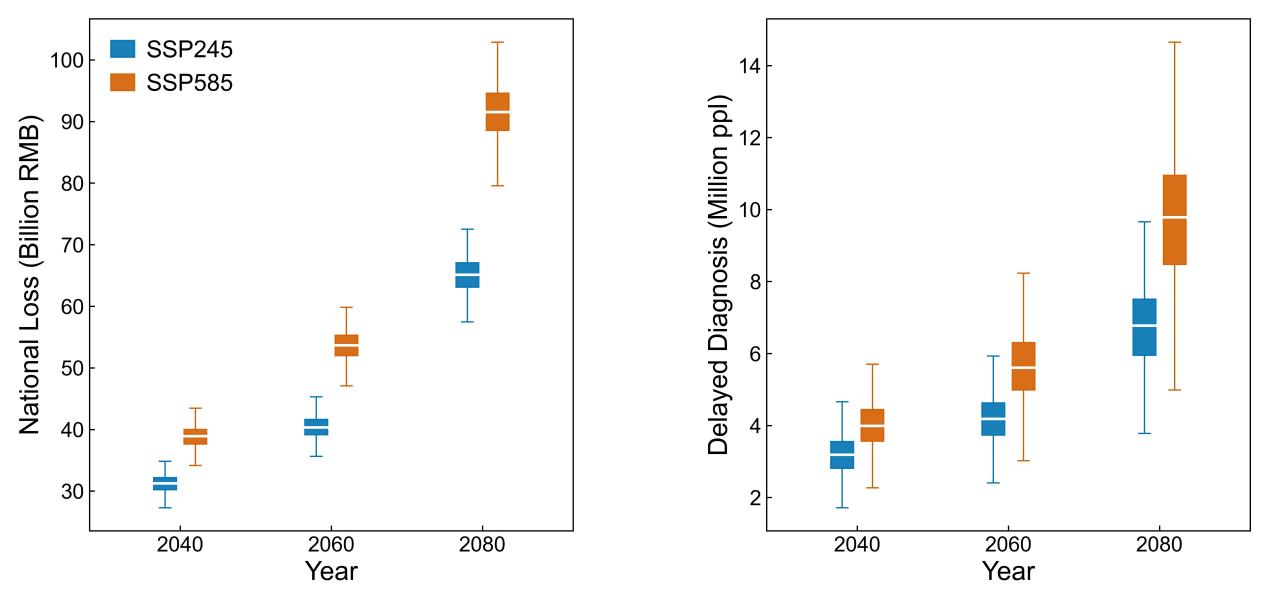
Hospitals are critical infrastructure for mitigating the health risks of climate change, playing a key role in protecting public life and health, providing continuous medical services, and supporting urban emergency response. However, as extreme precipitation and urban flooding risks intensify, hospitals themselves are increasingly exposed to climate threats. How to scientifically assess the fl...
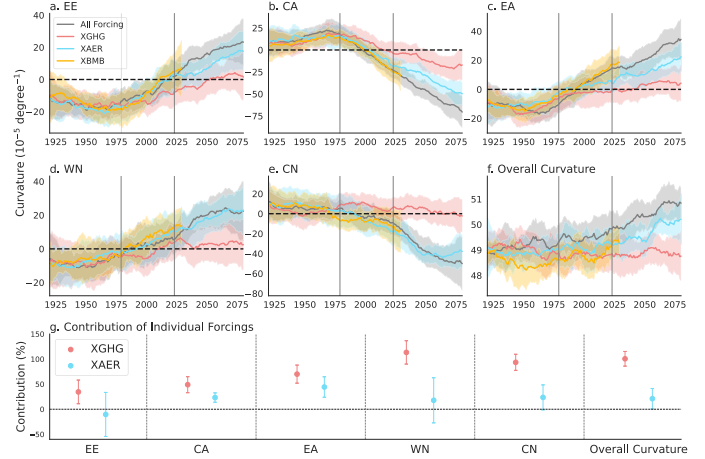
As a vital component of the global carbon cycle, terrestrial vegetation sequesters atmospheric carbon dioxide through photosynthesis. Over the past few decades, global terrestrial gross primary productivity has exhibited an overall rising trend, yet its growth magnitude varies substantially across regions. Conventional studies have largely focused on how local climatic factors such as temperatu...
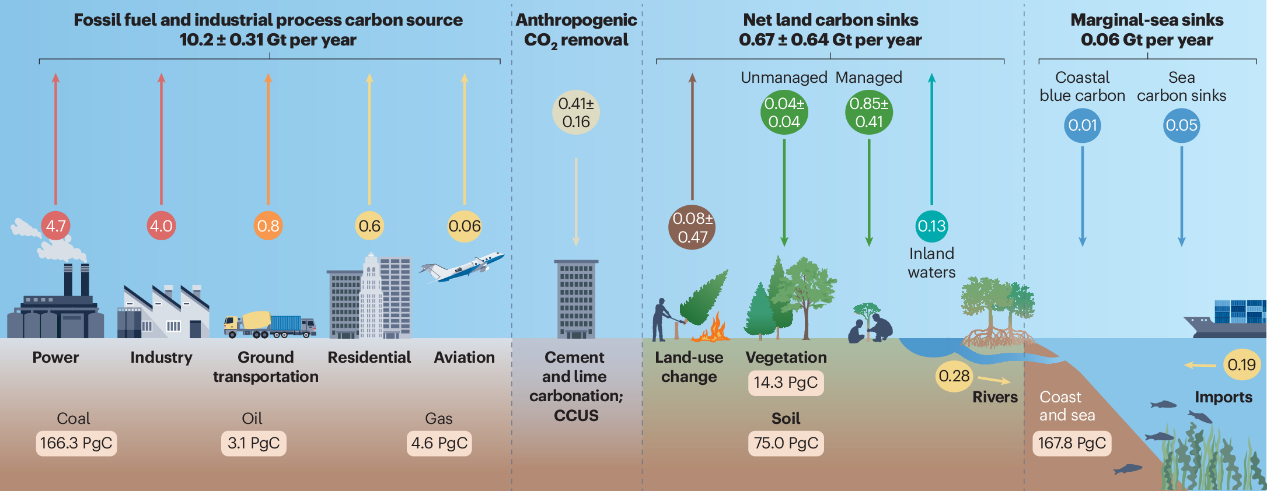
Achieving net-zero CO₂ emissions is central to addressing climate change and meeting the temperature goals of the Paris Agreement. To scientifically assess the key issues underlying China's carbon neutrality pathway, it is necessary to quantify, within a unified framework, current CO₂ emissions, along with the contributions of terrestrial ecosystems, land-use change, anthropogenic carbon remo...
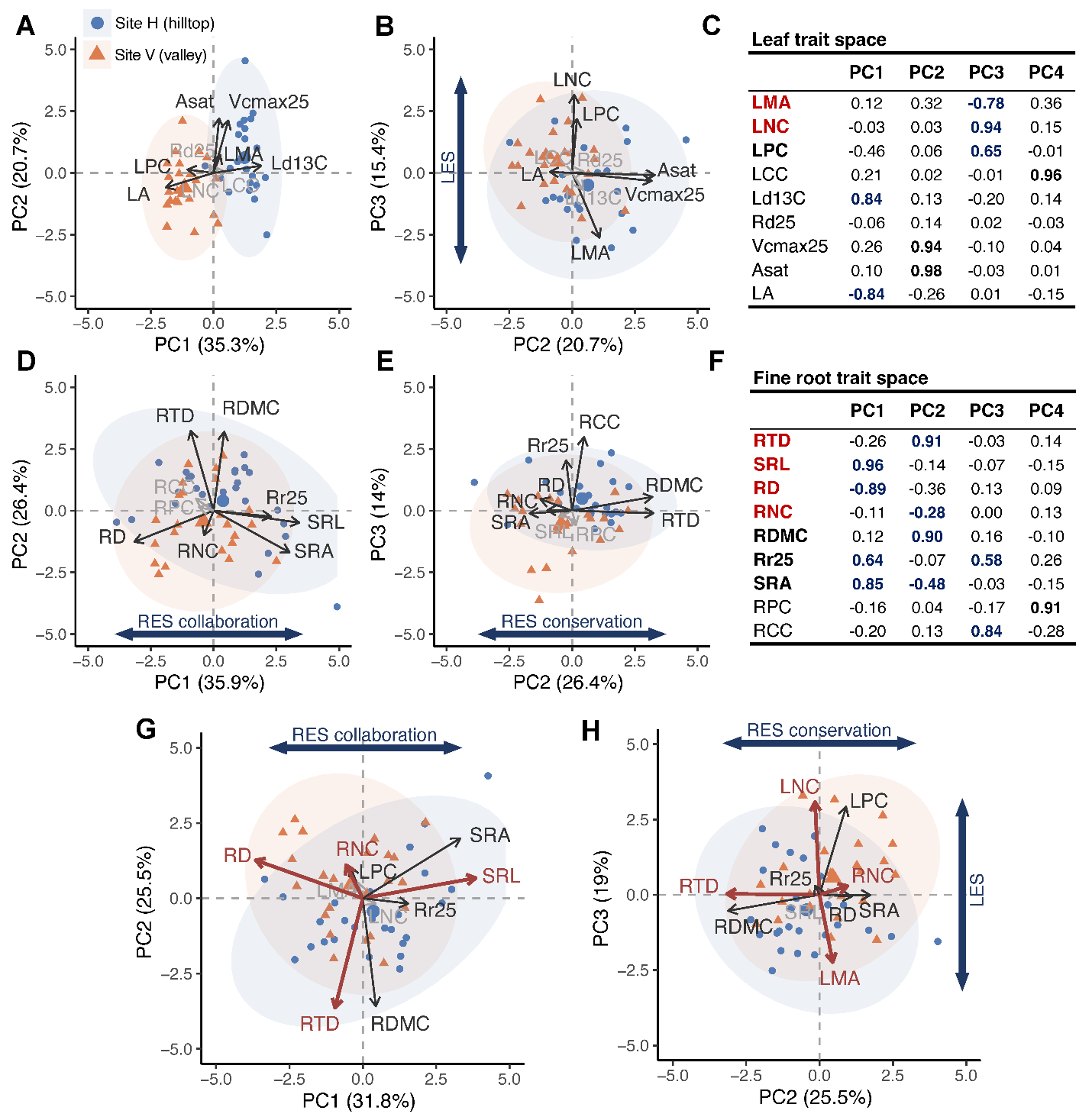
The plant economics theory holds that plants evolve a continuous strategy spectrum ranging from resource acquisitive to resource conservative via ecological trade-offs, which are manifested through combinations of functional traits such as leaves and fine roots. Nonetheless, the correlation between the Leaf Economic Spectrum (LES) and the Root Economic Space (RES) has long been debated in acade...
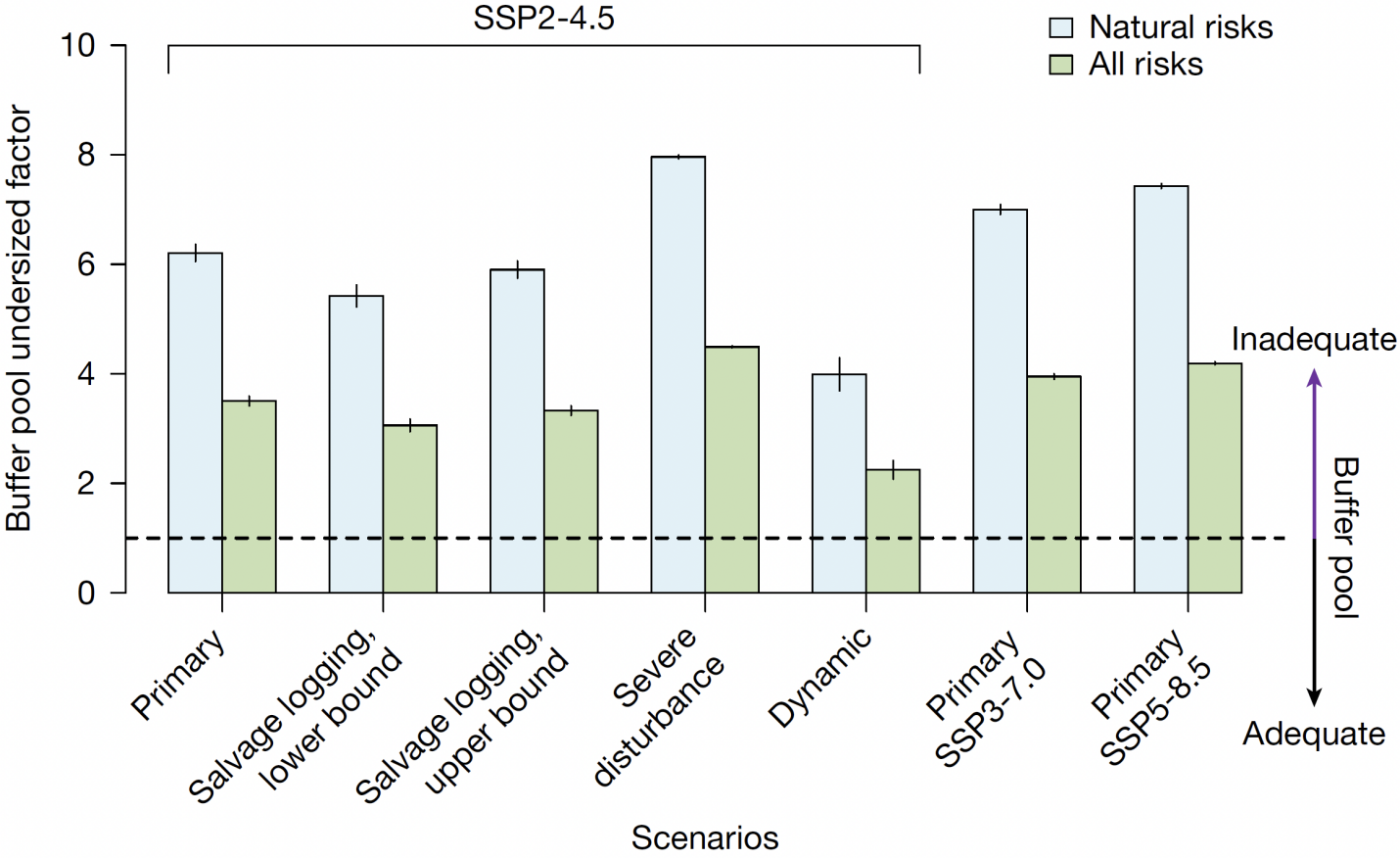
Forests hold significant potential for mitigating climate change and are widely regarded as "nature-based climate solutions." Forest carbon projects established under forest carbon protocols increase or maintain forest carbon stocks through afforestation, forest restoration, and improved forest management practices. By monetizing carbon sink values through carbon credit/offset mechanisms, these...
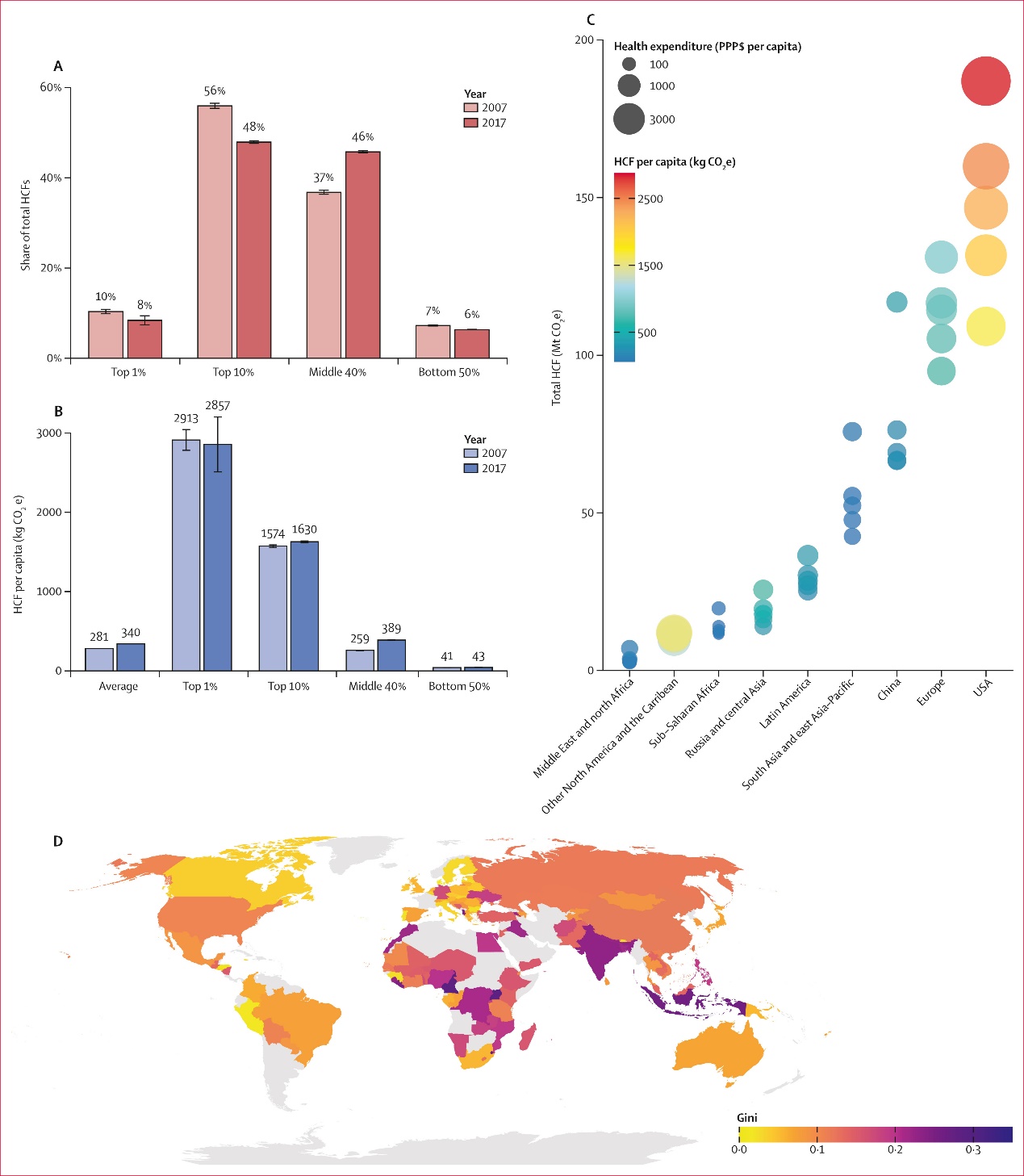
The low-carbon transition of the health-care sector has become a critical issue on the global climate and health agenda. Although previous studies have quantified the environmental impacts of health-care systems at national and global levels, the disparities in health-care carbon footprints (HCFs) across different income groups—particularly within countries—and their trajectories have remaine...
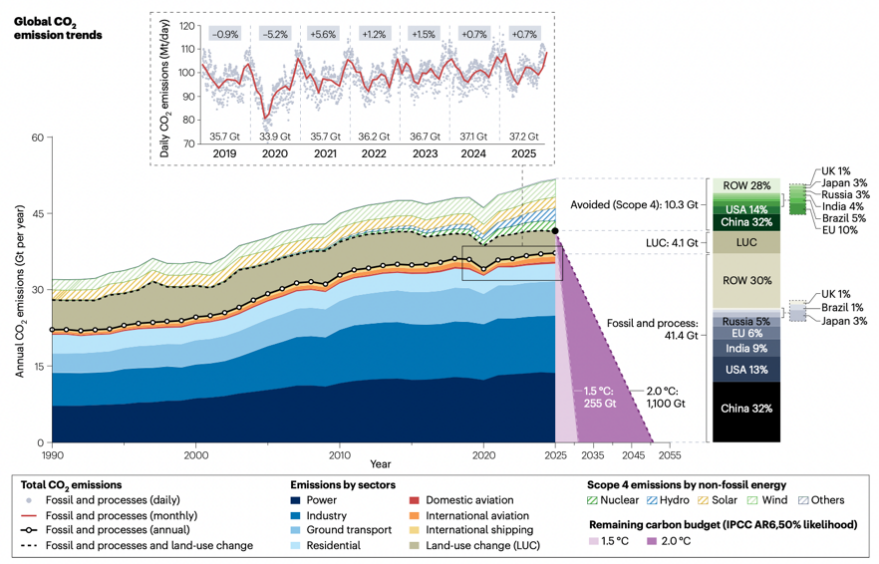
Global carbon emission fluctuations and the low-carbon transition of energy systems constitute a core basis for measuring the outcomes of global climate governance and prospective warming risks. Professor Liu Zhu’s Research Group of the Department of Earth System Science (DESS), Tsinghua University, in collaboration with the University of Hong Kong, the International Institute for Applied Syst...
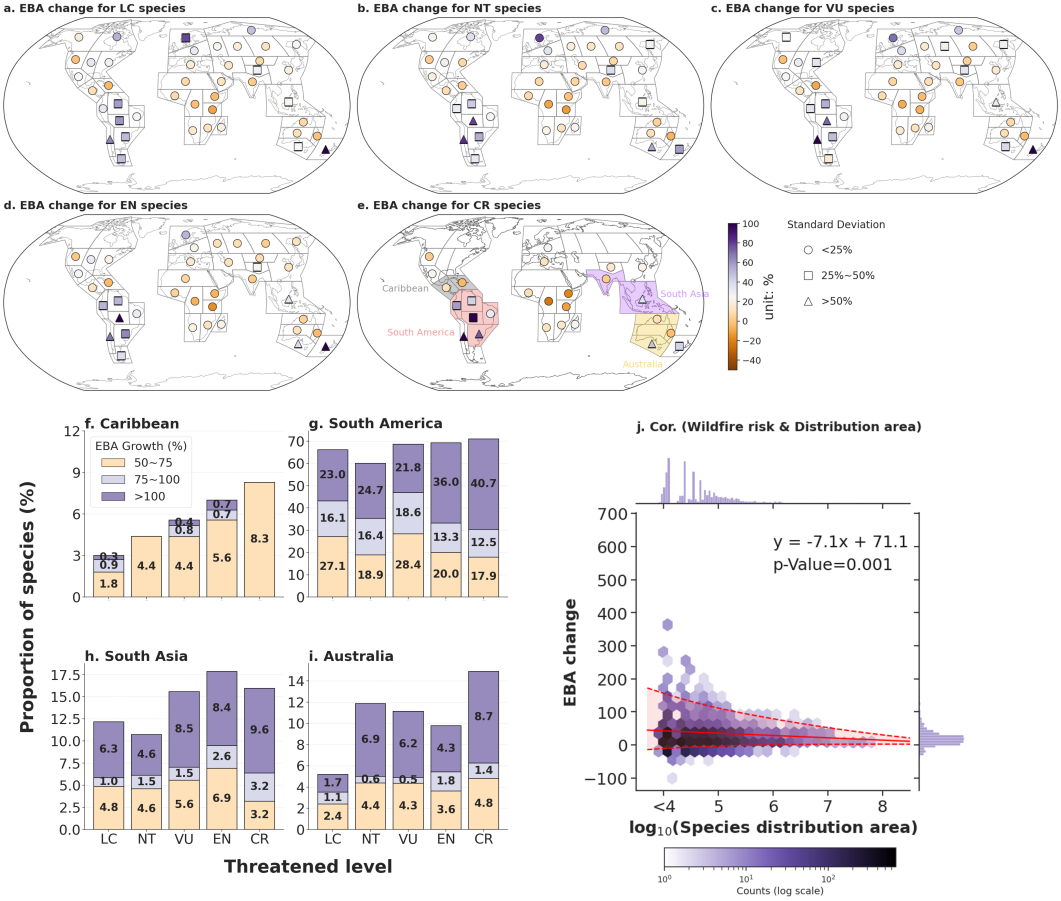
Against the backdrop of global warming, extreme climate events have occurred with increasing frequency, and wildfires have become one of the critical factors threatening ecosystem stability and biodiversity. Nonetheless, existing studies have mainly focused on long-term habitat degradation induced by climate change, while there remains a lack of systematic and comprehensive assessment on “acut...