Picture News
 Hot News
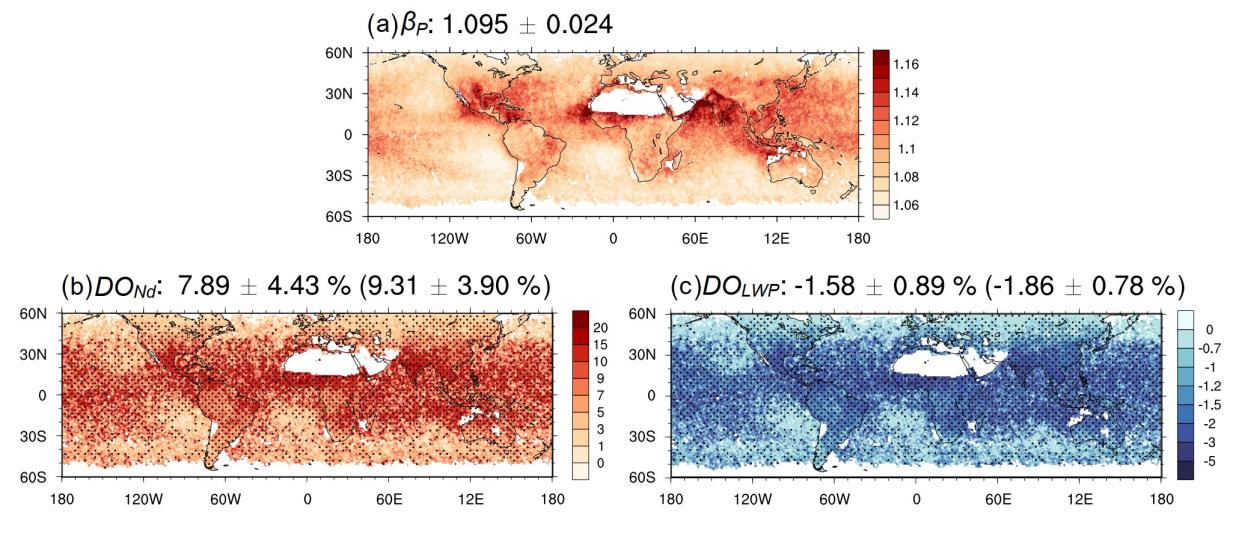
Aerosol-cloud interactions (ACI) are considered to potentially offset the radiative forcing of greenhouse gas-induced warming in the Earth-atmosphere system. The increase in anthropogenic aerosols affects the size distribution of cloud droplets (cloud droplet spectrum) in water clouds, leading to changes in cloud radiative forcing. This process, known as the dispersion effect (DE), is a critica...
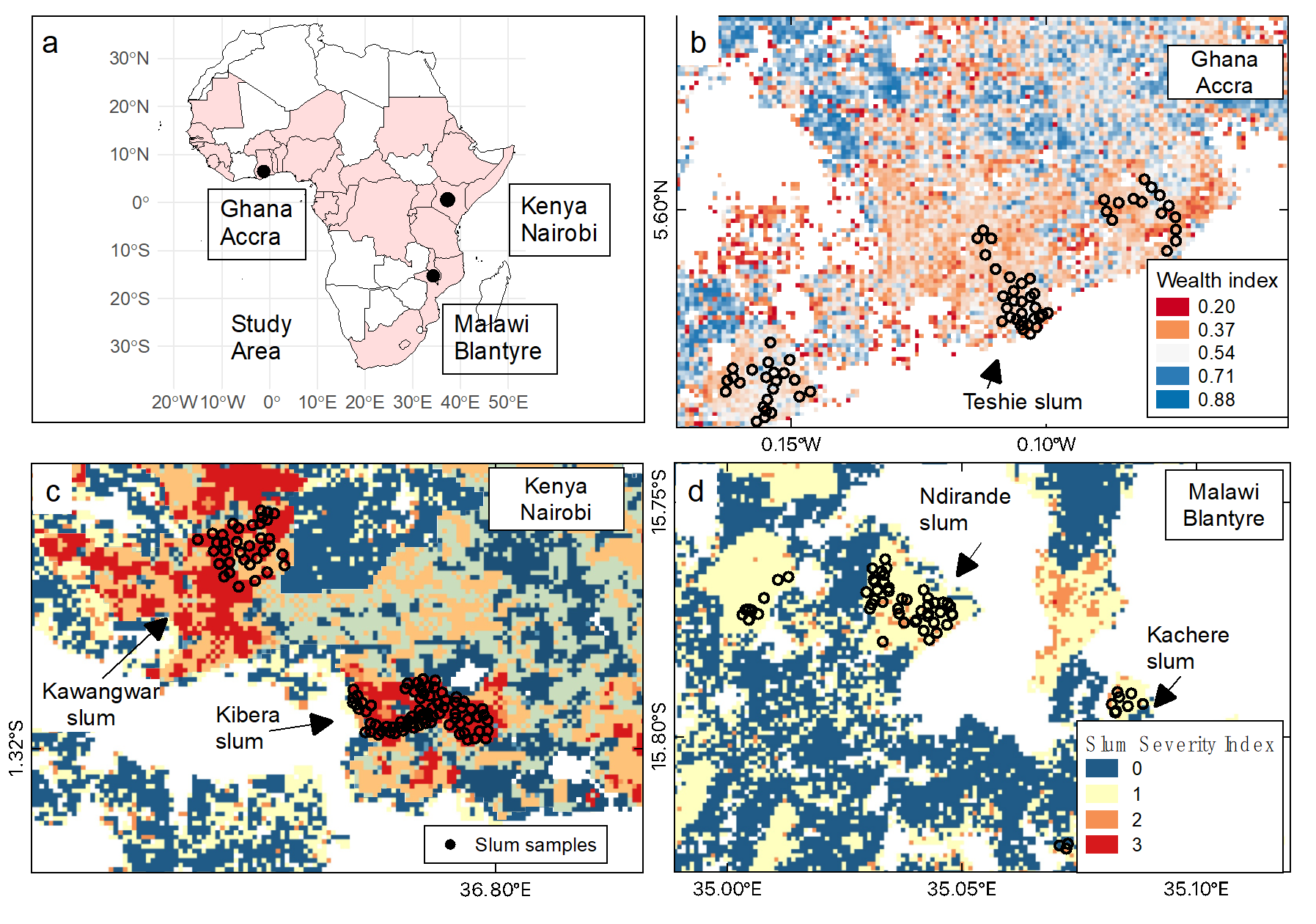
Yu Le’s Research Group from Tsinghua DESS Reveals Spatial Patterns of African Slums and Releases High-Resolution Distribution MapsUrban slums represent a critical challenge in contemporary global urbanization, where service deprivation and spatial inequalities are growing increasingly severe. These issues undermine progress toward sustainable urban development. According to UN-Habitat definiti...
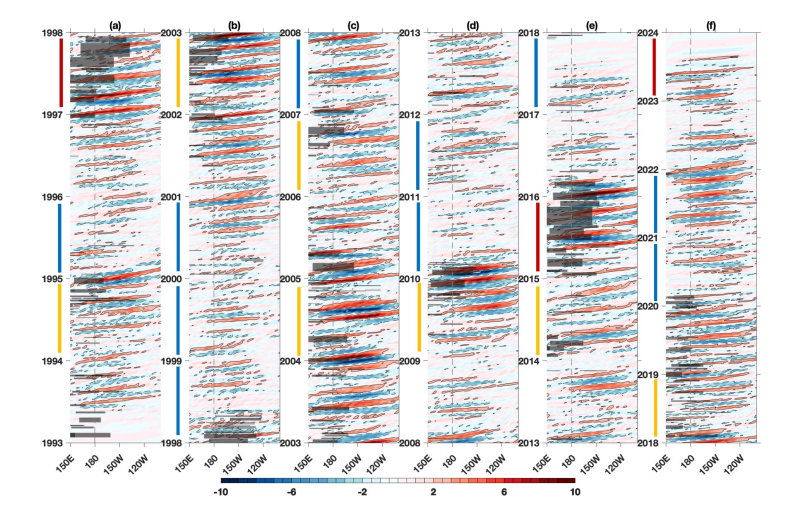
Against the backdrop of global warming, the diversity of the El Niño–Southern Oscillation (ENSO) has drawn increasing attention in the fields of climate prediction and disaster risk management. Westerly Wind Bursts (WWBs), as highly stochastic atmospheric transient processes in the tropical Pacific, have been widely discussed for their role in triggering El Niño events and influencing their ty...
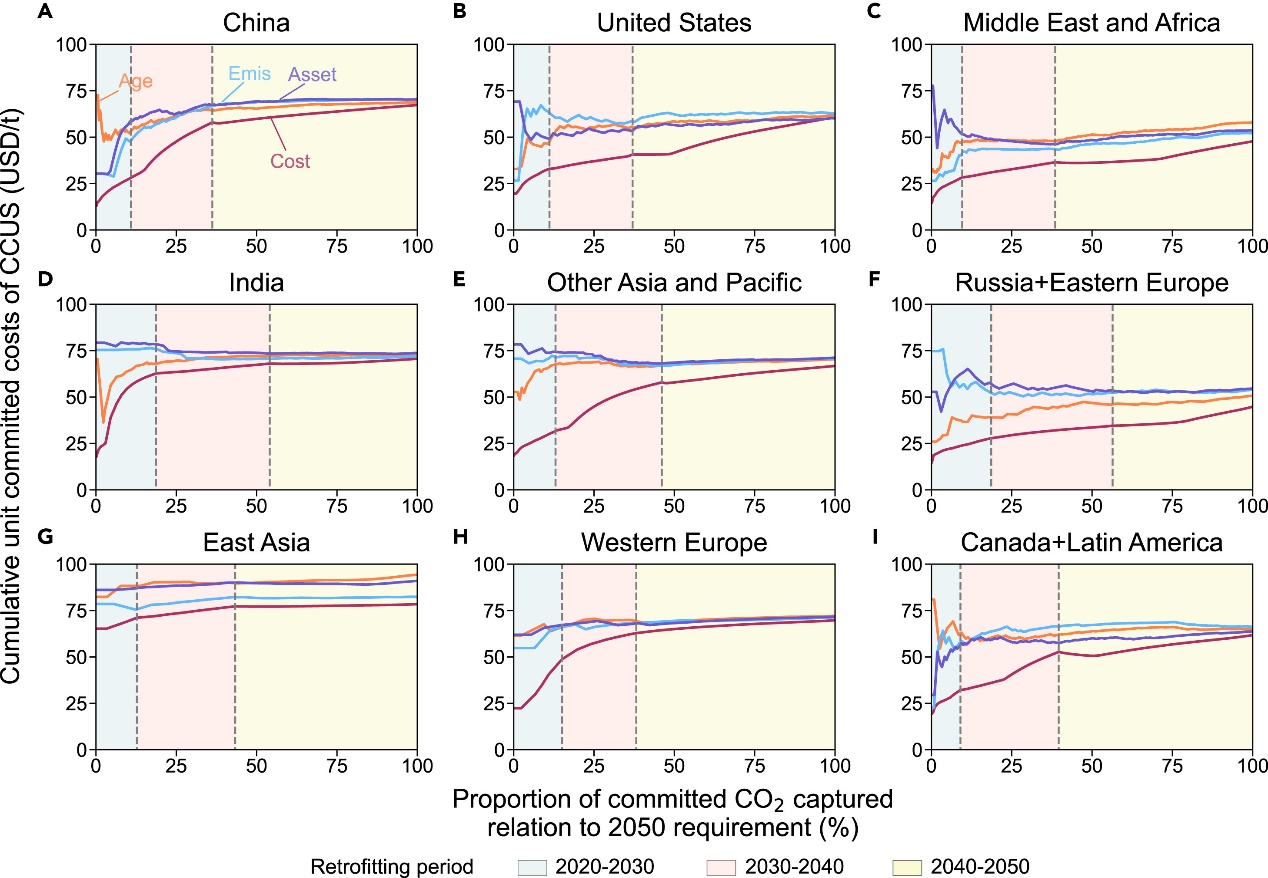
Thermal power, steel, cement, and other key global industries, as critical areas for climate governance, account for over 50% of global anthropogenic emissions. Currently, these sectors are undergoing strategic transitions involving large-scale facility retirements or low-carbon retrofits. Traditionally, decisions on facility retirement or retrofitting have been based on technical indicators su...
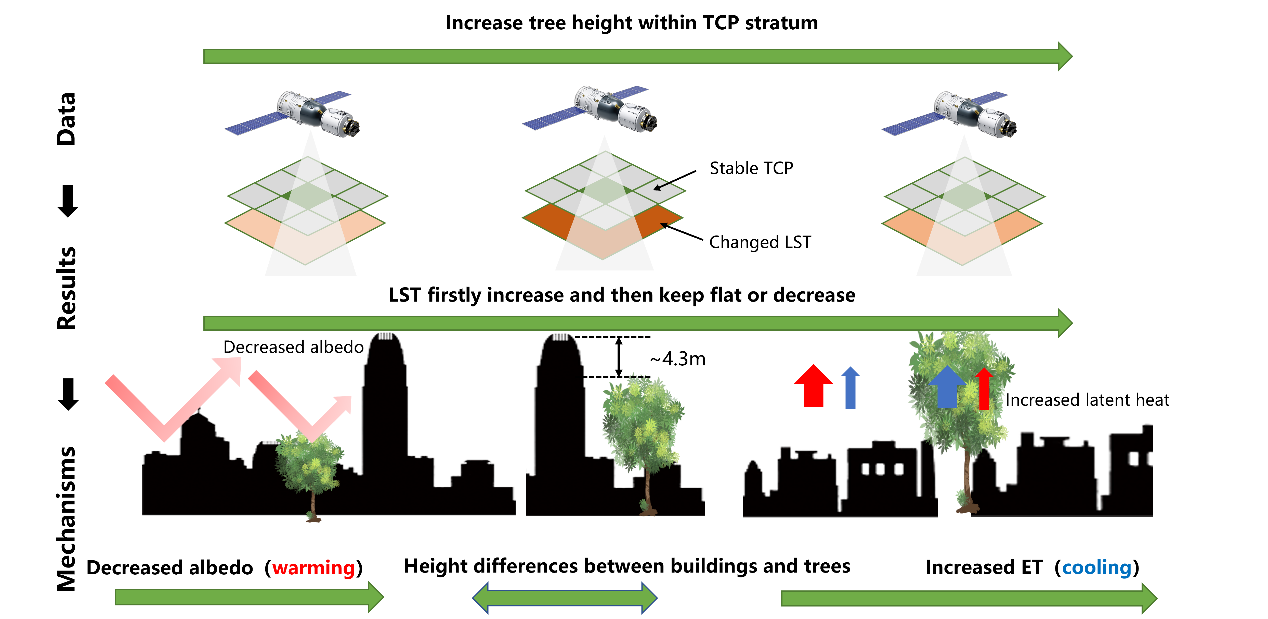
Under the dual pressures of climate change and urbanization, urban thermal environments face severe challenges. Trees, as a core element of Nature-based Solutions (NBS), have attracted significant attention for their notable cooling effects. However, current research on the relationship between tree cooling effects and tree height, especially at large scales, remains insufficient, and the under...
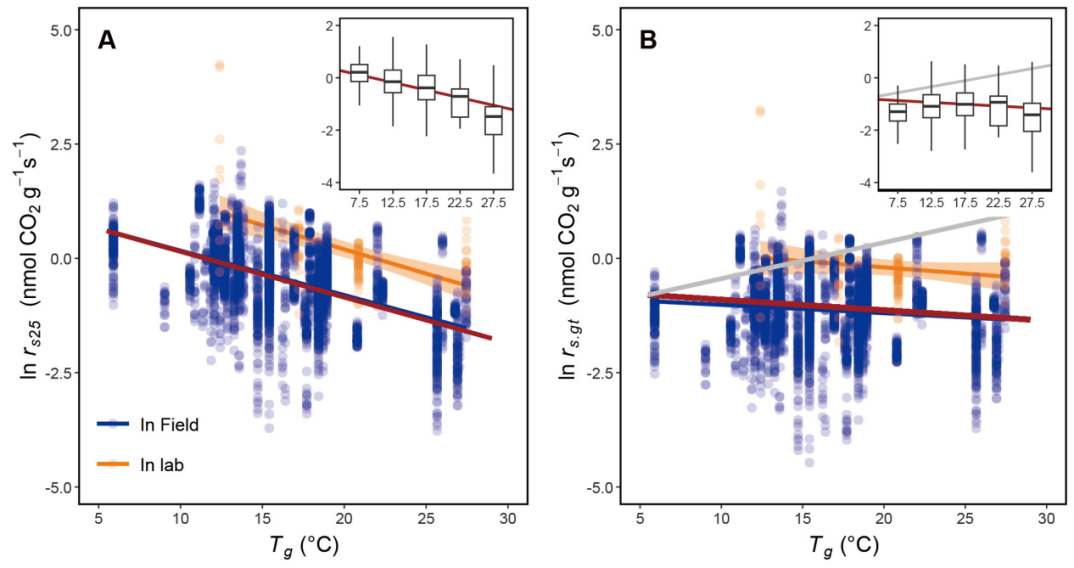
Stem respiration, which releases carbon dioxide, is one of the important carbon emission sources in terrestrial ecosystems. Traditional views hold that rising temperatures will sharply enhance respiration, thereby exacerbating climate warming. However, recent studies have shown that plants can adjust to the warming environment through thermal acclimation. While thermal acclimation of respiratio...
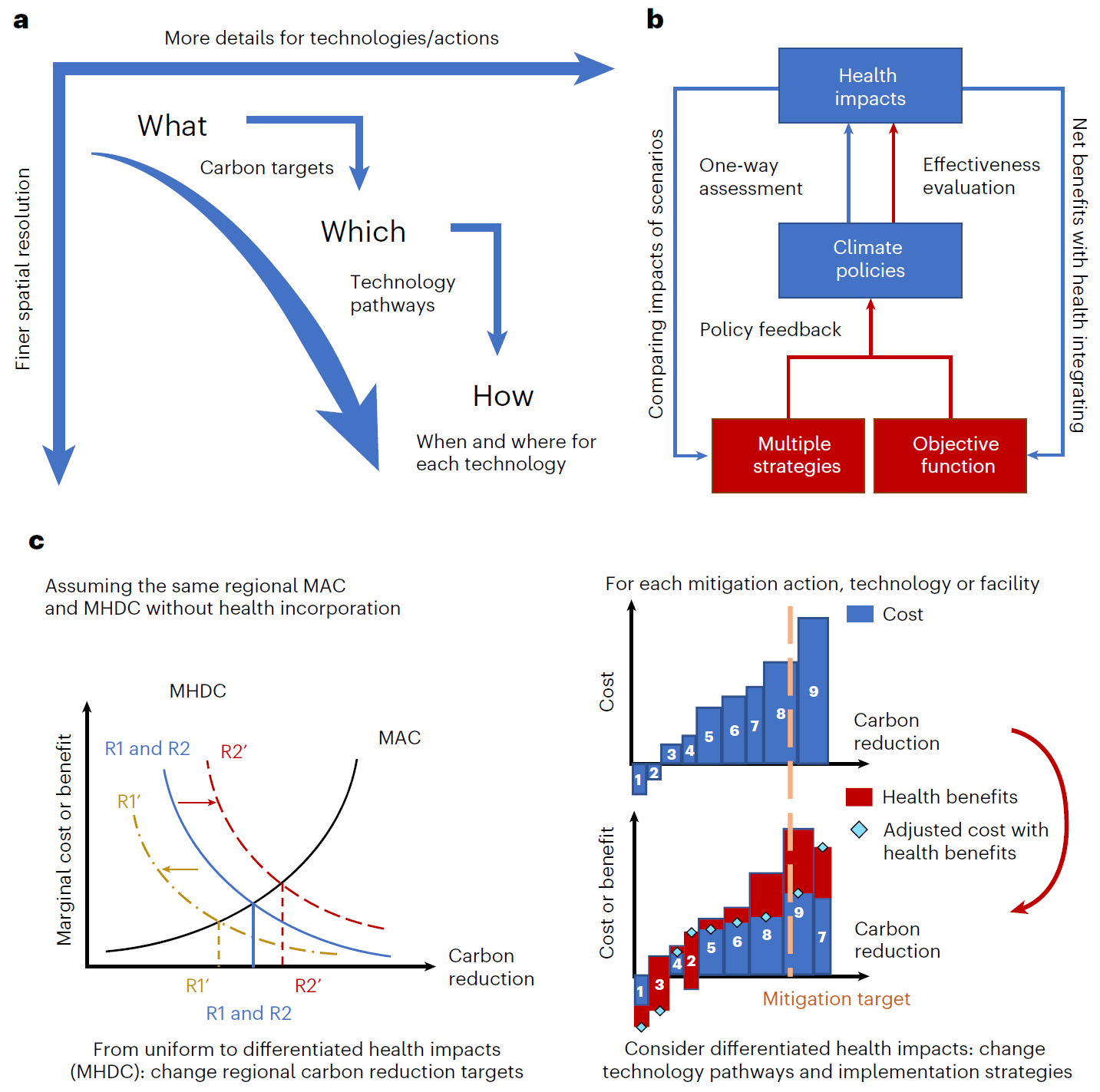
Mitigating climate change can enhance public health by reducing air pollution emissions, promoting green travel, and adjusting healthy dietary structures, which will provide stronger incentives for carrying out climate actions. The COP28 UAE Declaration on Climate and Health calls for formulating and implementing carbon emission reduction policies that maximize health co-benefits. Therefore, it...
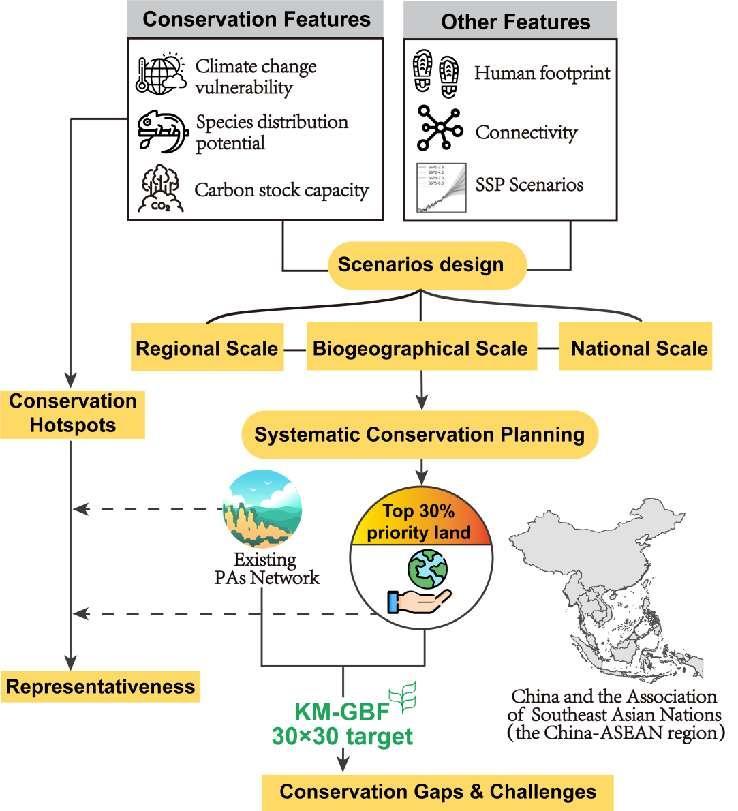
The "Kunming-Montreal Global Biodiversity Framework" (KM-GBF), championed by China in its capacity as chair country, has been recognized by the international community as a historic achievement in reversing the accelerated global trend of biodiversity loss. Among its ambitious targets, Action Target 3’s “30×30” commitment - protecting 30% of Earth's land and oceans by 2030 - presents an unpr...