Climate change is emerging as one of the most severe human challenges of the 21st century, profoundly reshaping the global pattern of population migration. The frequent occurrence of extreme climate events exacerbates food, health, and water resource crises, forcing a large number of people to migrate passively. However, the relationship between climate and migration is complex, influenced by multiple factors such as social economy, policies, and culture. Most existing studies adopt a social science perspective, and their conclusions are often accompanied by uncertainty and subjectivity. This not only increases the difficulty in predicting future migration trends but also poses challenges to formulating fair and effective international policies.
To address this issue, researchers in climate science and social science from the Department of Earth System Science (DESS) of Tsinghua University and the University of Gothenburg conducted a joint study. Using objective data covering 160 countries, including climate, economy, and international net migration rate, they quantitatively analyzed the sensitivity of international migration to climate change. This study provides robust statistical evidence on a global scale, reveals how baseline climate conditions and economic development levels interact to shape migration patterns, and proposes a global migration sensitivity model based on temperature-related climate indicators to systematically evaluate the mechanism of action of climate and economic factors on international migration. The results show that countries in mid-to-high latitudes with low baseline temperatures are more likely to attract immigration under warming, while low-latitude countries face greater risks of emigration. It is worth noting that economic conditions are the key factor restricting the sensitivity of climate-induced migration (Figure 1): the migration patterns of high-income countries are highly correlated with climate conditions, while low-income countries are limited by their economic capacity. Even if the climate deteriorates, it is difficult for them to show significant changes in migration, which reflects the existence of the "trapped population" phenomenon. The research team constructed an ideal model of climate migration sensitivity using national-scale economic and climate factors, and depicted the comprehensive impact of climate and economic factors on climate migration sensitivity by comparing the differences between the actual climate migration sensitivity and the estimated values of the ideal model (Figure 2).
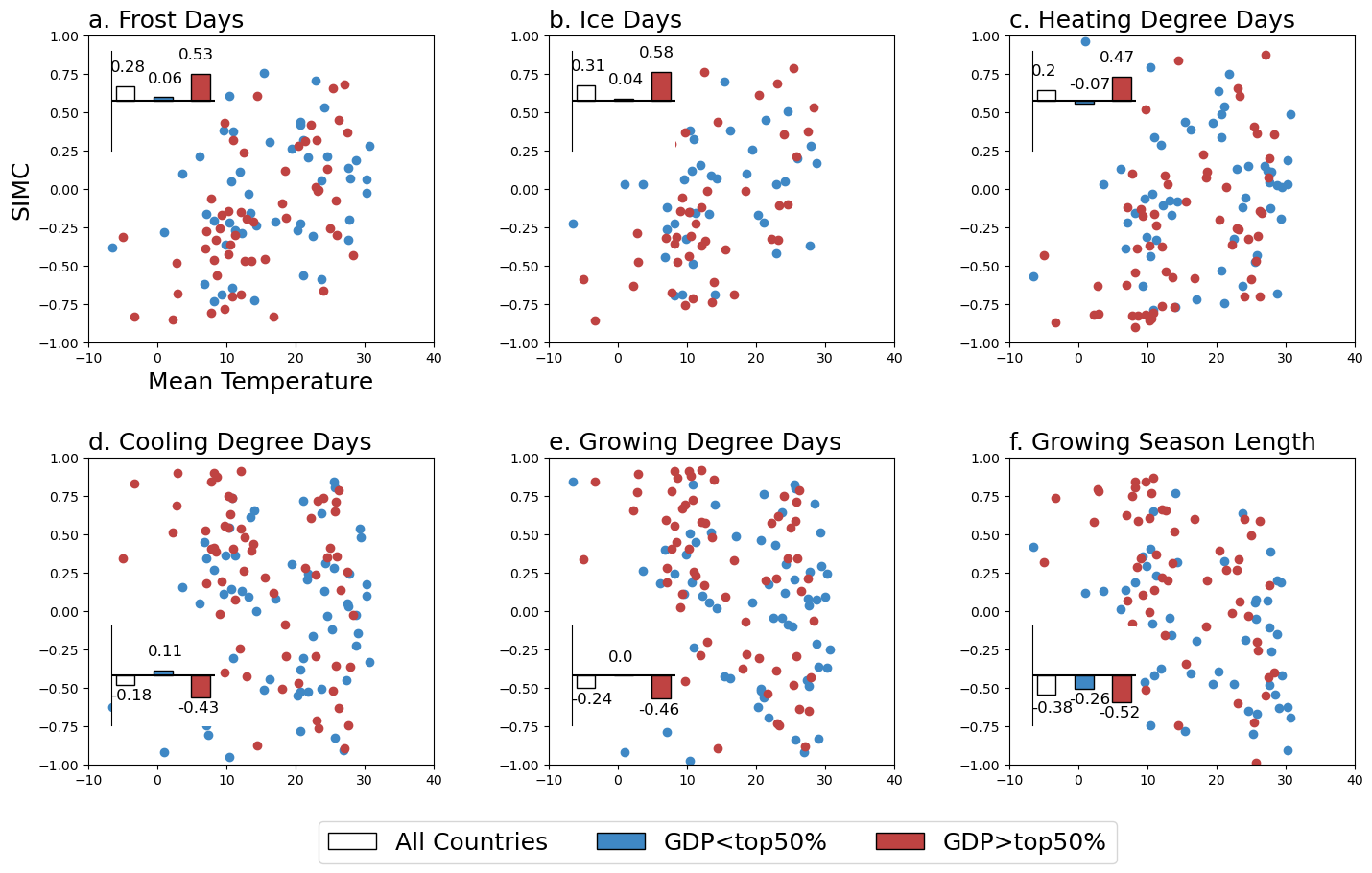
Figure 1. The relationship between climate-induced migration, climate baselines, and economic conditions
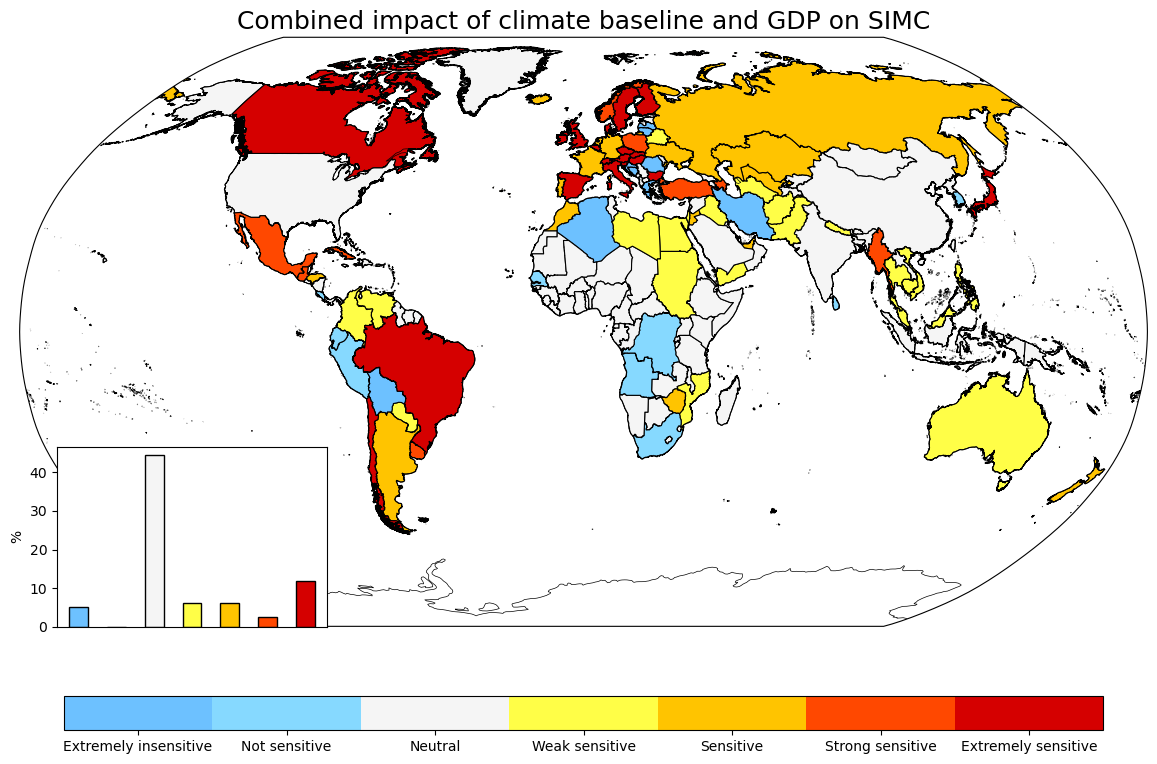
Figure 2. The combined impact of climate baselines and economic conditions on the Sensitivity of International Migration to Climate (SIMC)
Based on future climate scenarios (SSP2-4.5 and SSP5-8.5) and economic development projections, the study further points out that by the mid-to-late 21st century, the sensitivity of immigration inflows in high-latitude regions such as Europe and North America will increase significantly, mainly driven by economic growth rather than mere changes in climate conditions (Figure 3). In contrast, low-latitude developing countries will face greater migration pressure due to the deterioration of extreme climates. This latitudinal difference highlights global climate inequality: more developed countries with greater responsibility for greenhouse gas emissions not only have relative advantages in climate conditions but may also benefit from the immigration dividend, while vulnerable low-income countries suffer a double blow. The research team calls for the integration of a climate justice perspective into future international climate and migration policies to protect the survival and development rights of vulnerable groups.
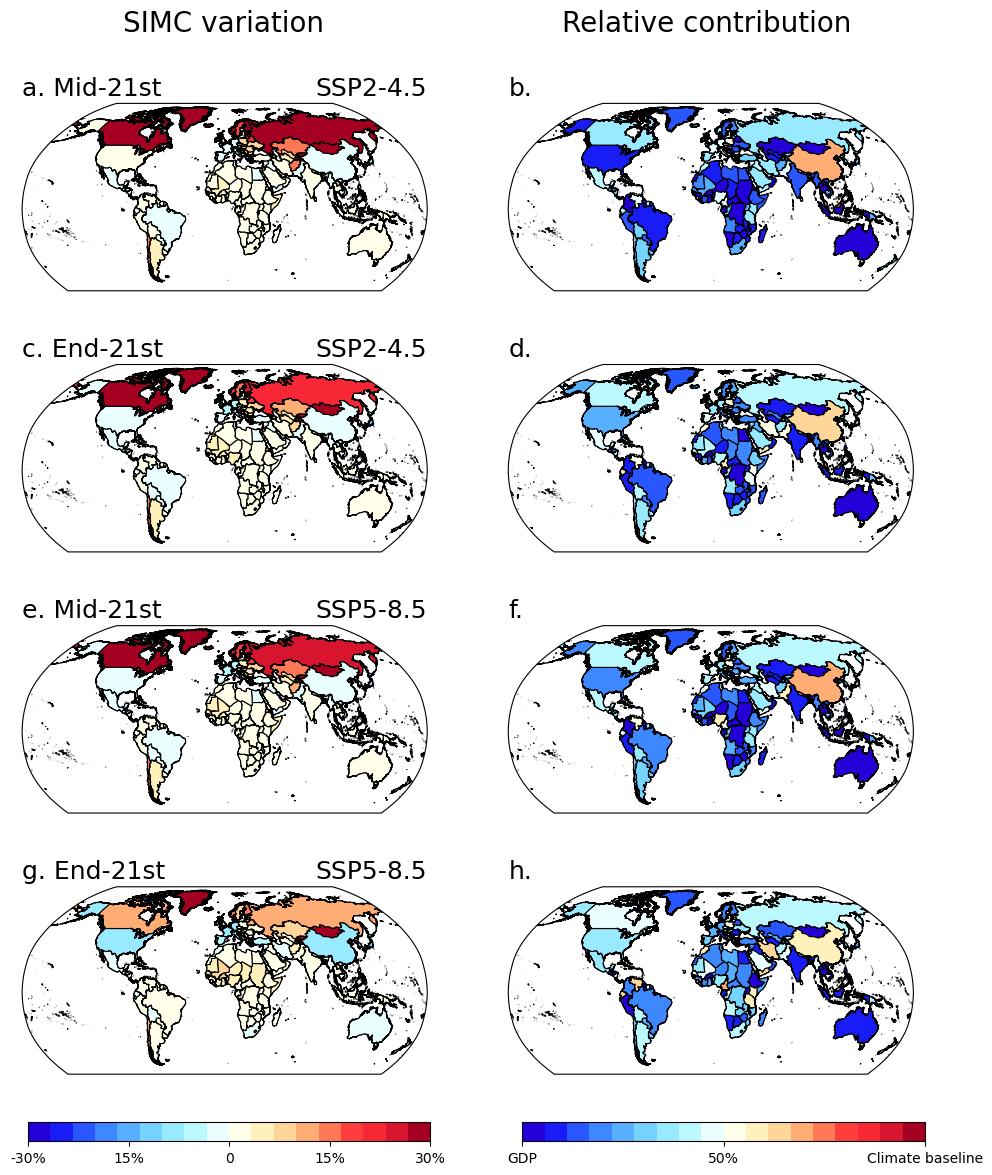
Figure 3. Projections and attributions of climate migration sensitivity in the 21st century
Entitled "Evidence of climate and economic drivers affecting migration in an unequal and warming world", this study was published in Communications Earth & Environment on October 1, 2025.
Academician Chen Deliang from the Department of Earth System Science, Tsinghua University, serves as the corresponding author of this paper. Dr. Xiaoye Yang, a postdoctoral fellow from the Department of Earth Sciences, University of Gothenburg, Sweden, is the first author. The collaborators also include Professor Anders Burman and Postdoctoral Fellow Ibrahim Wahab from the School of Global Studies, University of Gothenburg, Sweden. The research is supported by Tsinghua University, the Swedish Research Council, and the Swedish Foundation for International Cooperation in Research and Higher Education.



 Picture News
 Hot News