From August 3 to 15, 2026, the 2026 International Summer School on “Complex Systems and Earth System Science” was held at Tsinghua University. The event brought together young scholars, graduate students and researchers from across the globe, including 47 international and 68 Chinese participants. Centered on frontier themes including complex systems theory, Earth system science, climate change, ecosystem resilience and global environmental change, participants exchanged ideas with experts and jointly explored scientific approaches to understanding and addressing Earth system complexity.
The summer school curriculum spanned multiple themes: foundational theories of complex systems, nonlinear dynamics, stability and resilience, critical transitions in the Earth system, and social–ecological–technological systems. It featured thematic lectures covering research areas such as climate change, the water cycle, ecosystem evolution, extreme events and artificial intelligence methods. Experts and scholars from leading universities and research institutions worldwide, including Tsinghua University, the Chinese Academy of Sciences (CAS) and the International Institute for Applied Systems Analysis (IIASA), shared cutting-edge advances from their respective fields of study.
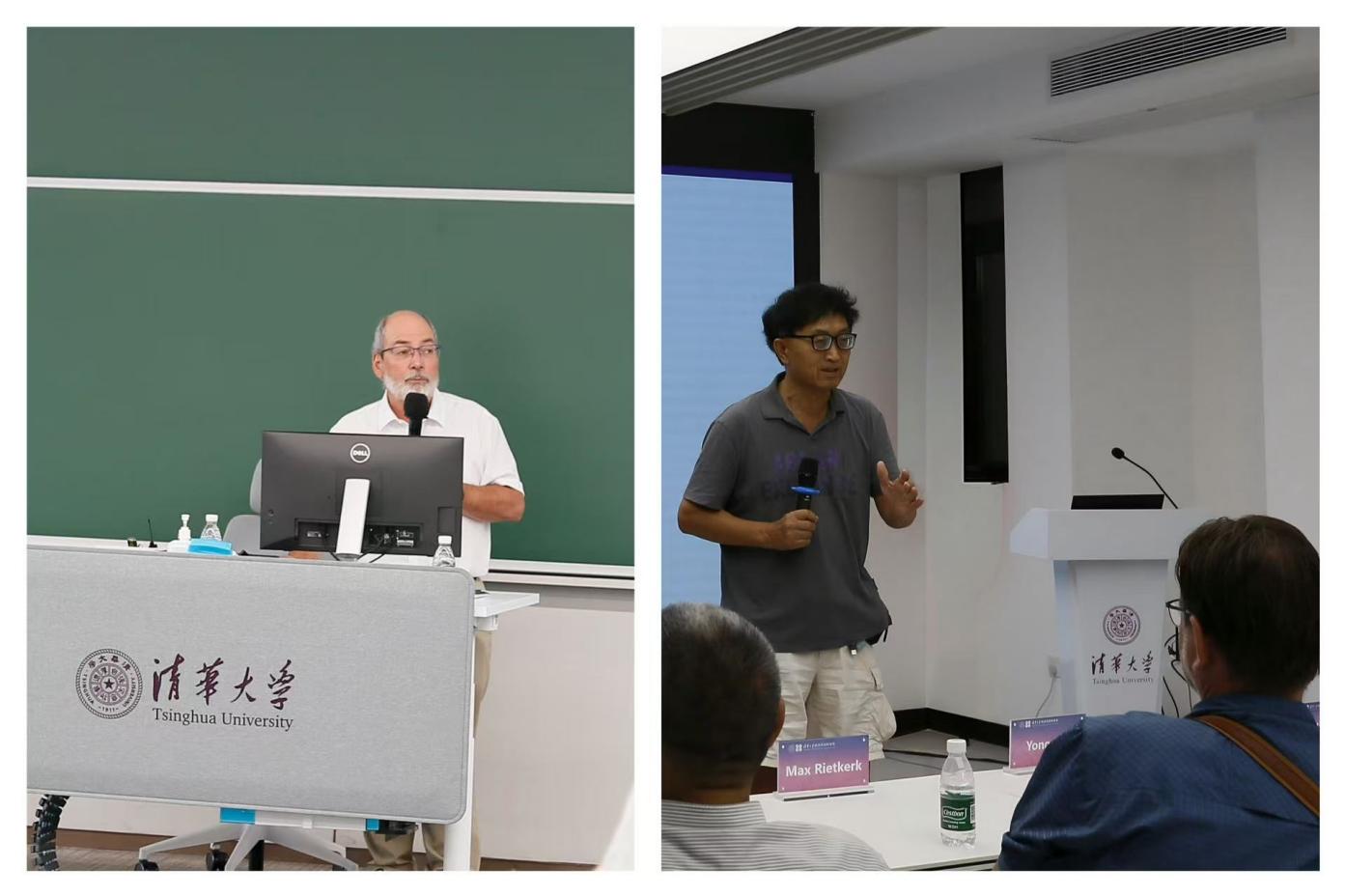
Professor John Pomeroy of the University of Saskatchewan (left) and Professor Yi Chuixiang of the City University of New York (right) deliver lectures.
In addition to lectures by experts, the summer school also featured group discussions and final presentations. Based on the course content and their research interests, the participants formed more than 20 groups to conduct collaborative research on issues related to complex systems and Earth system science, and presented their findings at the conclusion of the program. Through teamwork, the participants deepened their understanding of complex systems methods and enhanced their capacity for interdisciplinary collaboration and scientific communication.
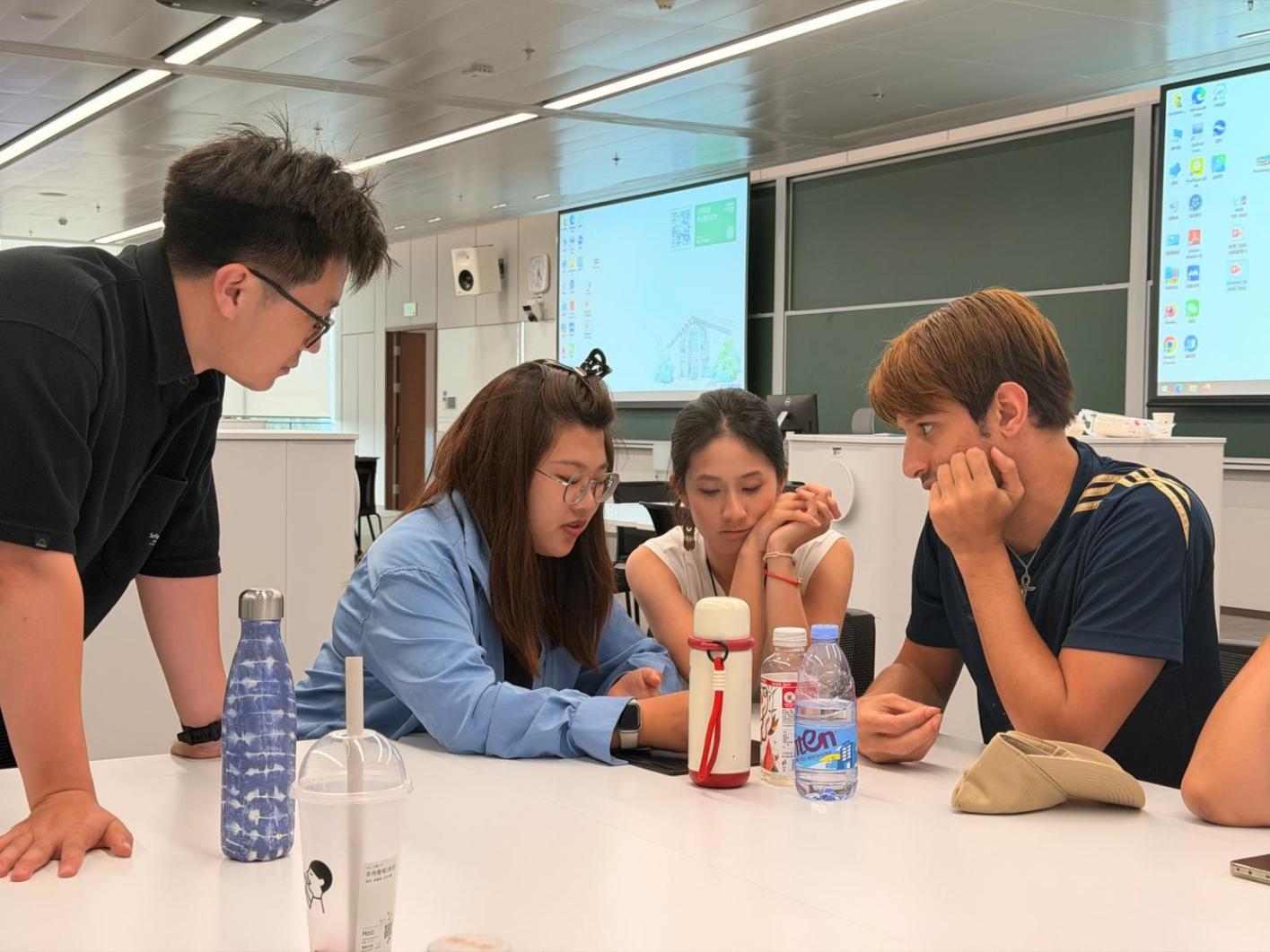
Group discussion among participants
At the closing ceremony, faculty representatives and participants reflected on their learning journey throughout the summer school. Those who completed the program were awarded certificates of completion.
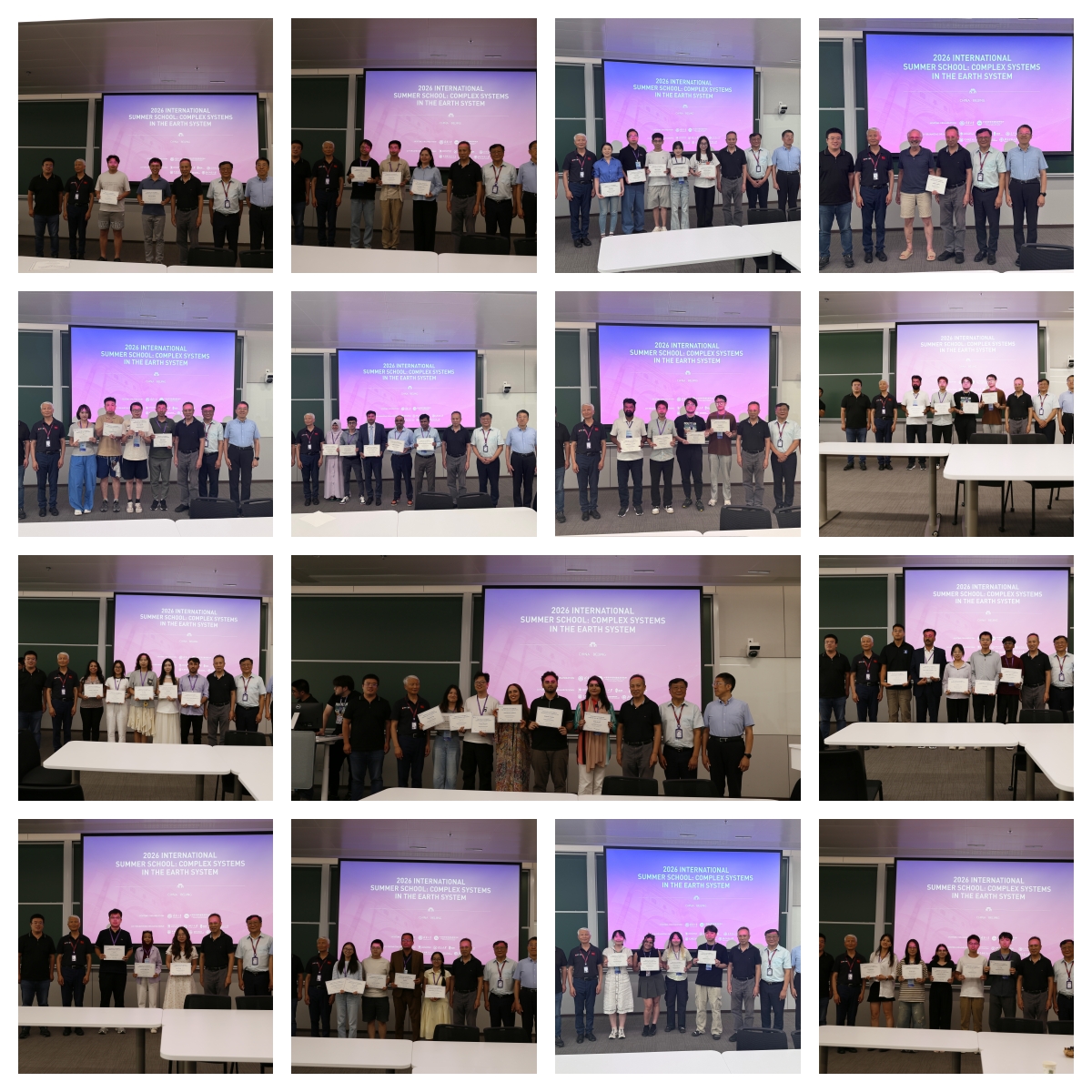
Certificate awarding ceremony
Against the backdrop of global climate change, biodiversity loss, frequent extreme weather events and other challenges are marked by highly complex interactions. Complex systems science offers a fresh theoretical lens to unpack nonlinear processes, feedback mechanisms and latent critical transitions within the Earth system. To tackle these challenges, the International Summer School, hosted by the Department of Earth System Science (DESS), Tsinghua University and co-organized with multiple prestigious research institutions worldwide, seeks to establish an international, interdisciplinary academic exchange platform, which prioritizes training young researchers to deploy complex systems approaches to address Earth environmental issues. Moving forward, Tsinghua DESS will further advance international academic engagement and young talent development, contributing insights and expertise to deepen our understanding of Earth system complexity and advance global sustainable development.
Written by Yu Ruiqi
Edited by Wang Jiayin
Reviewed by Chen Deliang and Yu Le



 Picture News
 Hot News

