Picture News
 Hot News
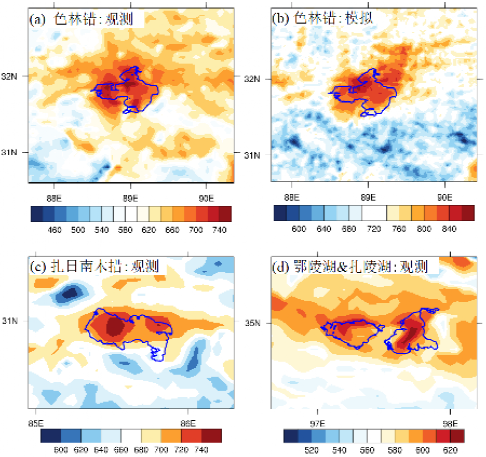
The Tibetan Plateau (TP) known as “Asia’s Water Tower” is one of the regions in China where lakes are most densely distributed. Recent decades have seen obvious changes in the water levels and areas of lakes on the TP, drawing special attention to the hydrologic budget process of the plateau lakes. Lake surface evaporation, as an important part in water balance, is affected by the radiation ...
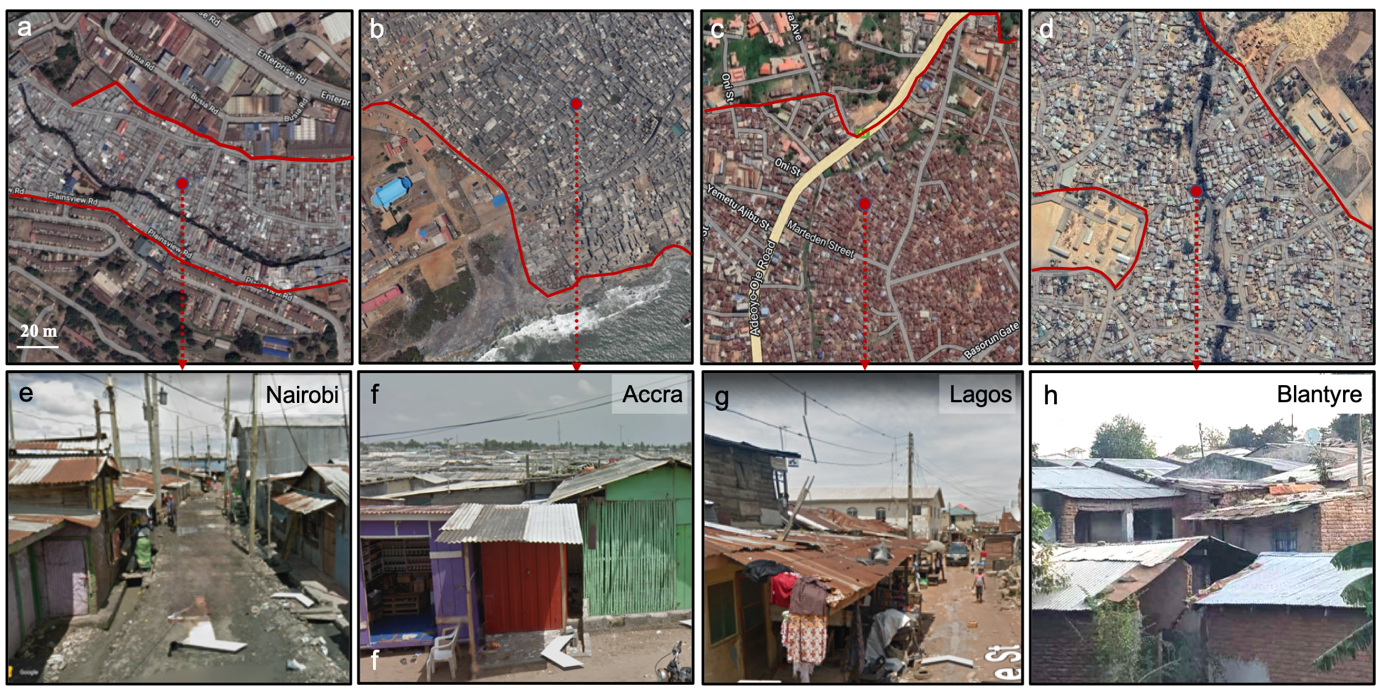
According to UN-Habitat, at present 1 billion people worldwide live in slums or informal settlements, which number is expected to hit 3 billion in the future three decades. The problems for slums such as poverty, natural disasters, hygiene, health and diseases have become key issues of concern for the global sustainable development goals.Due to the lack of basic information concerning the spati...
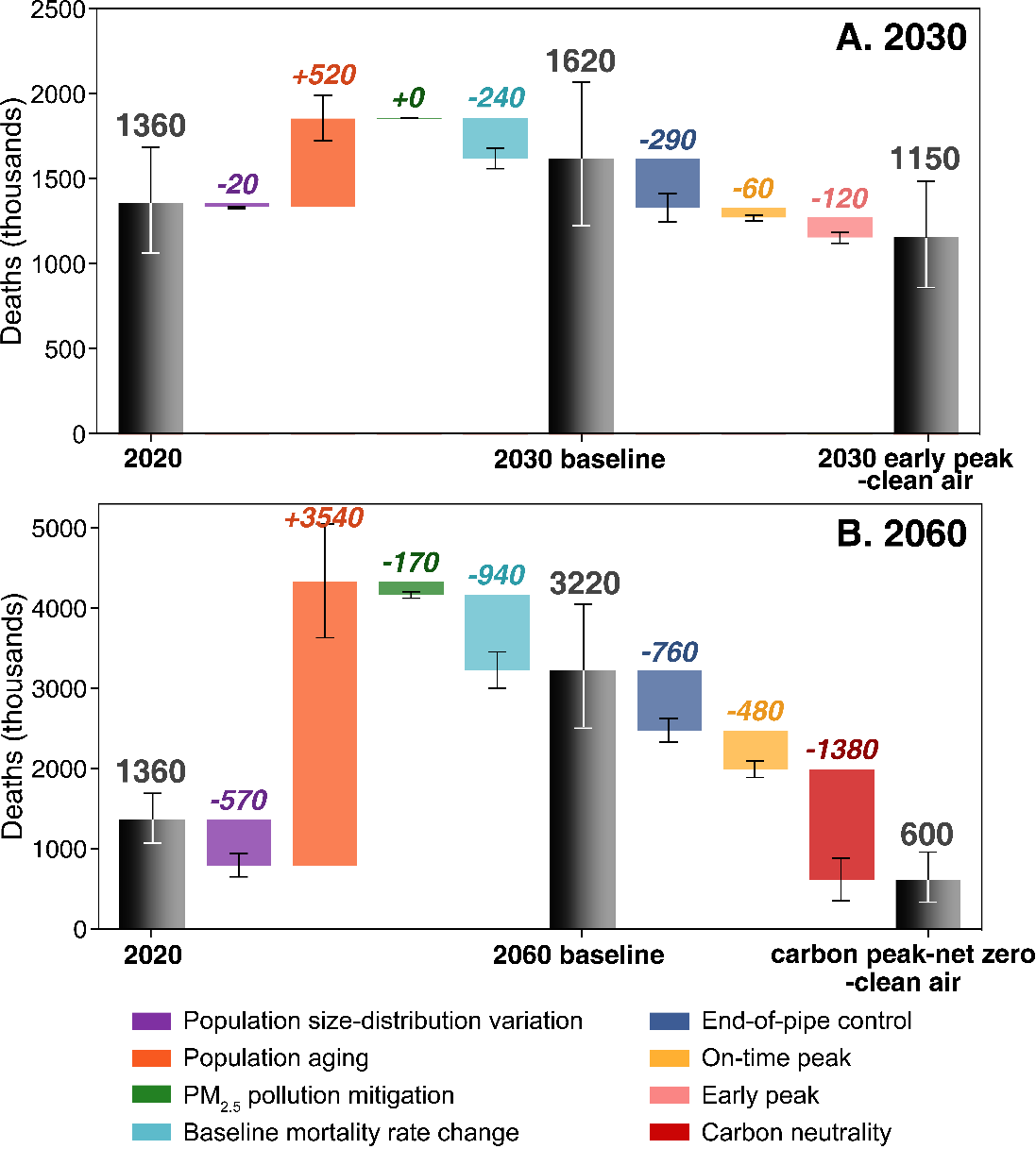
China has made significant progress in alleviating air pollution since 2013, but the annual mean fine particulate matter (PM2.5) concentration remains six times higher than current World Health Organization (WHO) guidelines, seriously compromising public health. Meanwhile, the aging population will be increasingly vulnerable to air pollution, lending urgency further and constant air quality imp...
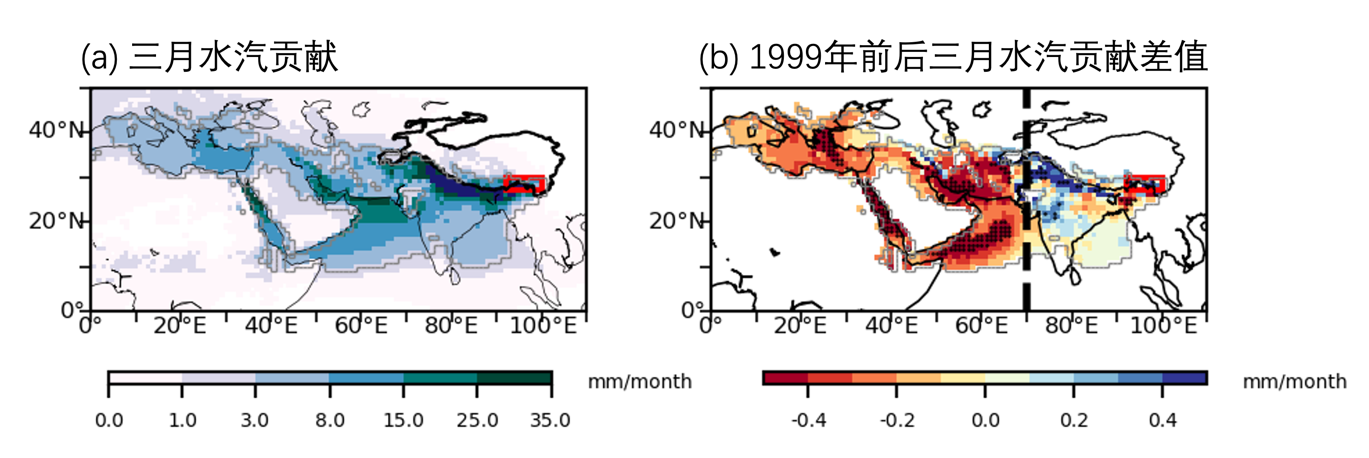
The Southeast Tibetan Plateau (SETP) is a major region where many glaciers are located. Recent years have seen the significant shrinkage of glaciers in the SETP, posing a serious threat to downstream water resources. Glaciers in the SETP are mainly accumulated in spring and summer and predominantly in spring in some areas. Therefore, studying the changes of spring precipitation in the SETP is o...
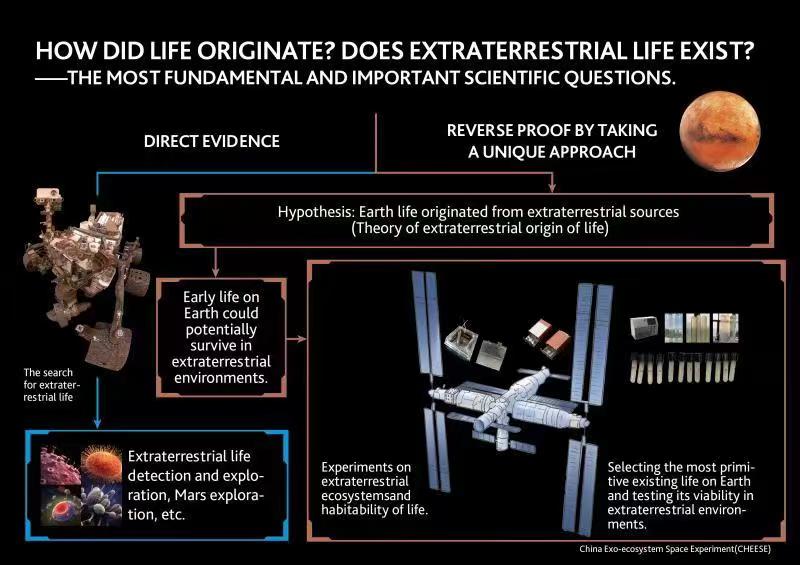
The Chinese space station “Tiangong”, a modular space station system built by China since 2021, is the third large-scale in-orbit space experiment platform built by mankind since the Mir Space Station in 1986 and the International Space Station in 1998. Prof. Liu Zhu's Team of the Department of Earth System Science (DESS), Tsinghua University cooperated with Dong Xiuzhu, a researcher from the...
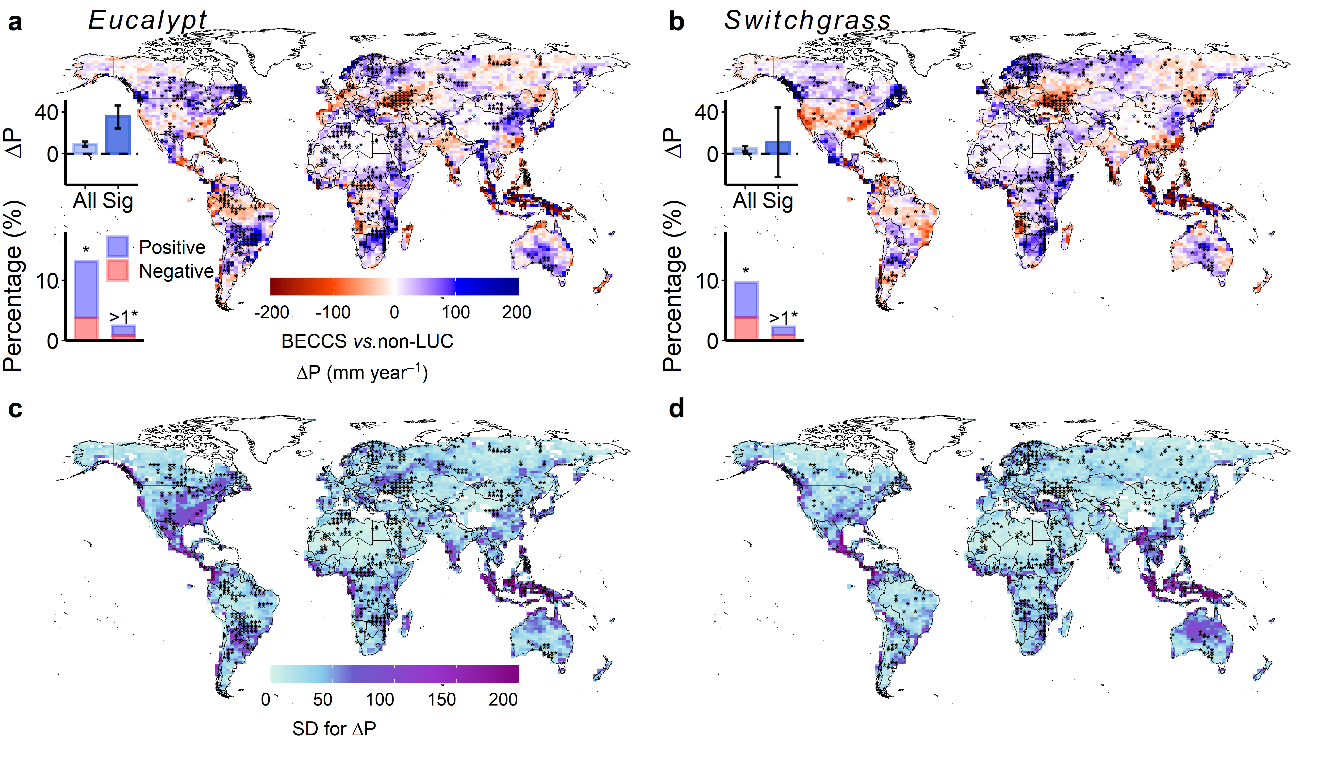
Bioenergy with carbon capture and storage (BECCS) is one of the main negative emission technologies to achieve carbon neutrality and mitigate climate change. Its basic principle is to fix carbon dioxide in the atmosphere in biomass by planting fast-growing energy crops (such as eucalyptus, willow and switchgrass), and to store the discharged CO2 after the burning of the biomass, so as to achiev...
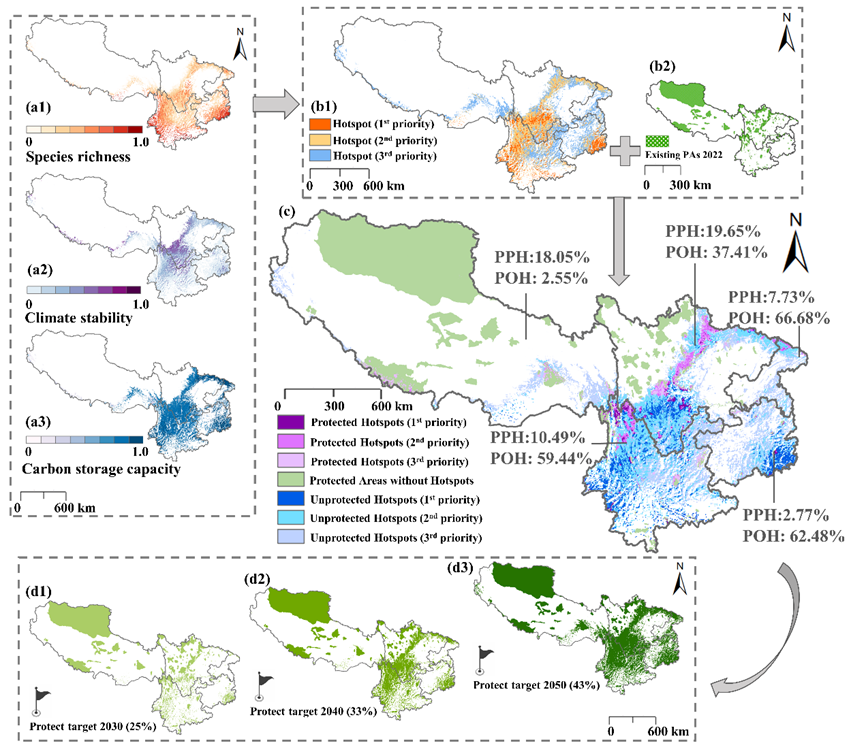
Protected areas (PAs) are the frontline of biodiversity conservation, and the establishment of a protected area is also an effective approach to improve the quality of ecology and environment. The adoption of the Kunming-Montreal Global Biodiversity Framework has drawn a new blueprint for global biodiversity governance in the period from now to 2030 or even longer. Among the many factors affect...
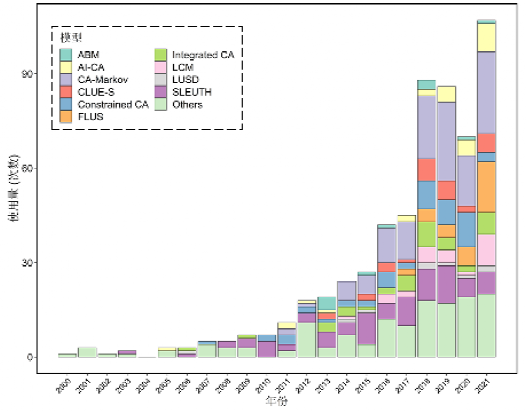
Urban growth models (UGMs) are the primary tool for generating urban growth projections. Various UGMs based on different modeling frameworks and core algorithms have been made available since the 1950s. However, comparative study of the performance of different models is relatively inadequate. Researchers lack reference basis in choosing a model and the UAM in their research on the projection o...