讲座简介:
Since the first IPCC assessment in 1990, scenarios have been used to project future pathways of the energy system, population, economy and emissions. Annual global fossil CO2 emissions are now about 69% higher, and more than half of cumulative fossil CO2 emissions since 1750 have occurred since then. The first part of the talk presents a state-of-the-art climate assessment of 50 marker scenarios from all major scenario generations: from SA90 and IS92 to ScenarioMIP CMIP7. Emissions are harmonised to up-to-date historical data following the ScenarioMIP CMIP7 methodology, and the GSAT response is evaluated with simple climate models. The dataset shows how shifts in science, policy and the organisation of scenario development are reflected in scenario design, for example, air pollution controls and the introduction of net zero.
Today, net zero is a central feature of many scenarios. The second part of the talk examines a large set of scenarios that achieve net zero CO2 (NZCO2). Post-net-zero GSAT change is driven by the climate system response as well as scenario-specific mitigation; contributions from these drivers can be decomposed using the MAGICC model. Peak warming increases by 0.08°C (likely 0.05 to 0.11°C) per decade of delay in reaching NZCO2, and GSAT changes by −0.11°C (likely −0.13 to −0.05°C) from reaching NZCO2 until 2100. Negative CO2 emissions are the largest driver of post-NZCO2 GSAT change, the Zero Emissions Commitment contributes about −0.03°C and non-CO2 mitigation is on the same order in the subset of scenarios that also achieve net zero GHG emissions.
主讲人简介:
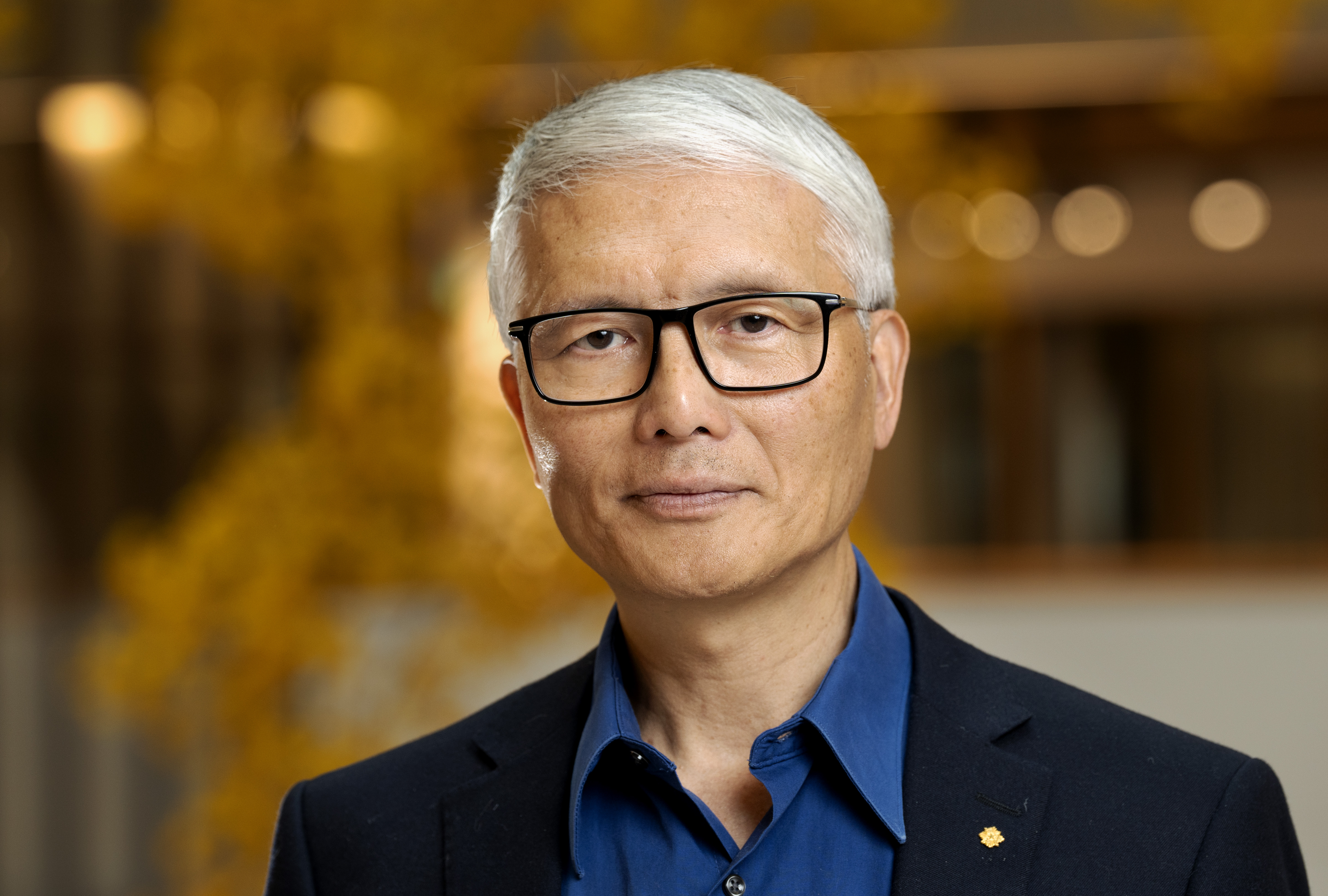
Annika Högner is a researcher in the Integrated Climate Impacts Research Group of the IIASA Energy, Climate, and Environment Program and a PhD candidate with Prof. Carl Schleussner in the Geography Department of the Integrative Research Institute on Transformations of Human-Environment Systems at Humboldt University Berlin. Coming from physical climate science, she currently works with emissions scenarios and simple climate models on improving the understanding of opportunities that have been missed because of delayed climate action and how accountability for this can be pursued. She is part of the harmonisation and gridding team that produced the forcings for ScenarioMIP CMIP7 and led the design of the PolMIP VL-CF emissions pathway.


 图片新闻
 新闻热点