讲座简介:
Today’s global water cycle is dominated by anthropogenic activity, changing not only the occurrence and magnitude of hydro-meteorological extremes such as floods and droughts but also of pollution by ever more complex cocktails of emerging and legacy contaminants, causing global One Health risks that threaten environments and societies. This talk will provide insights into how technological innovations in environmental sensing, data integration and fusion, together with advances in adaptive modelling and global participative science approaches can leverage new understanding of the drivers of global to local water challenges to ensure secure and fair access to safe and clean water resources for all.
主讲人简介:
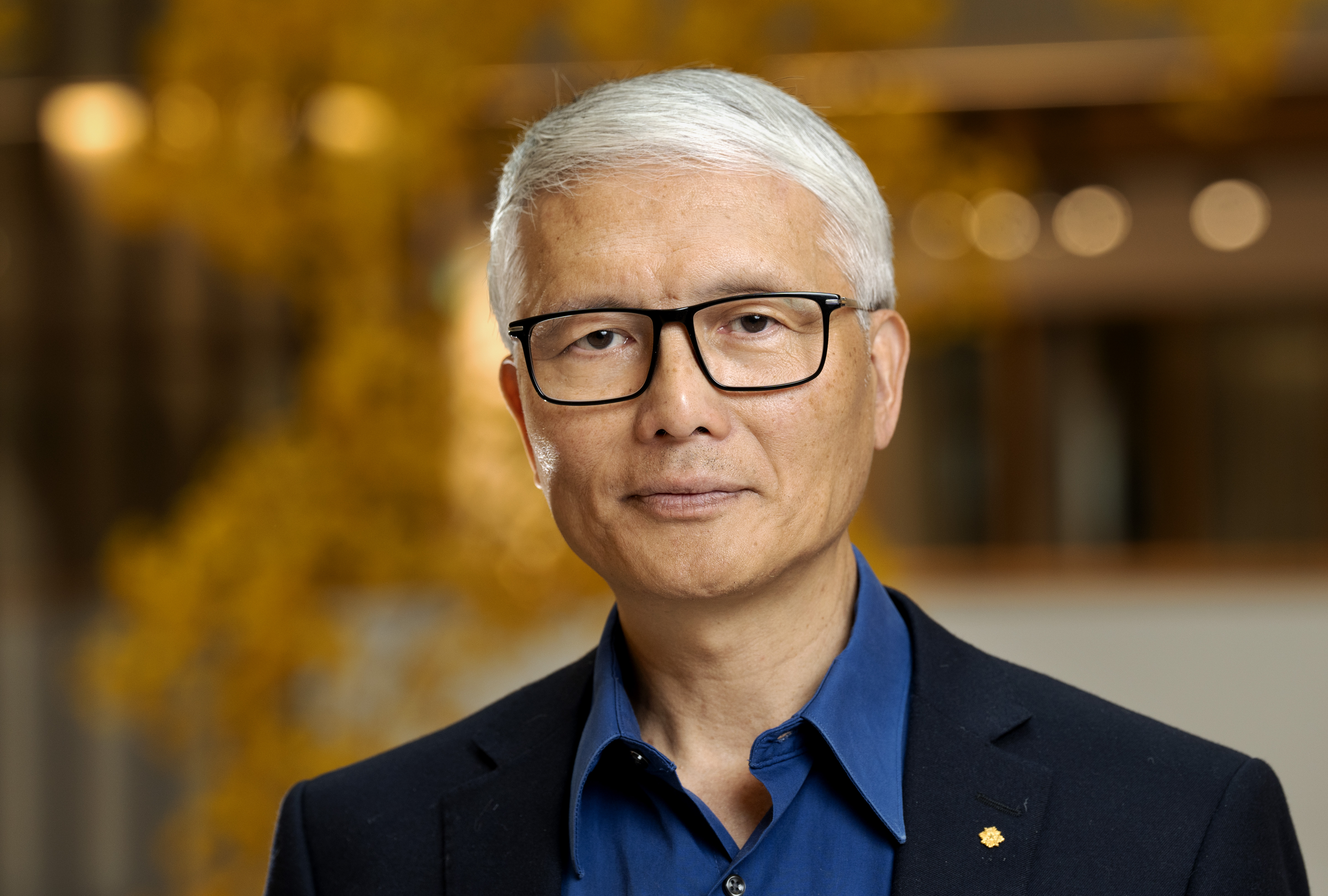
Professor Stefan Krause is Chair for Ecohydrology and Biogeochemistry at the University of Birmingham, Director of the Birmingham Water Centre and Deputy Director of the Birmingham Plastic Network. He co-Leads the UNESCO UniTwin Network on Ecohydrological Interfaces Under Change and is current Vice-President of the International Commission on Water Quality (ICWQ) and leads the International Association of Hydrological Sciences (IAHS) working group on Water and Health. He is a Royal Society Industry Fellow and holds invited visiting professorships at the University of Lyon, France; Indian Institute of Technology, Roorkee; Vietnam National University, Hanoi; and Nanjing University of Information Science and Technology.
Prof. Krause’s research on the fate and transport of contaminants at ecohydrological interfaces and their impacts on environmental and public health integrate cutting-edge analytical and modelling approaches with applied research of direct societal relevance and impact. His interdisciplinary research on multi-stressor interactions between surface water and groundwater allows him to investigate non-linear ecohydrological process dynamics and responses to environmental change, including the analysis of hotspots and hot moments, tipping points and threshold in ecohydrological and biogeochemical functioning. With his international research group and his leadership of international research and training initiatives such as SmartWater and PlasticUnderground, his work pioneers the analysis and quantification of multi-component reactive transport processes across heterogeneous aquifer-river interfaces, combining the interactions between emerging (pharmaceuticals, microplastics, engineered nanoparticles) and legacy pollutants (nitrate, chlorinated solvents) and how these are influenced by changes in land-use and climate.
Prof Krause has a strong track record of advising water, energy, chemical and aggro-chemical industries as well as UK and International governments, European Commission and international organisations including the World Wildlife Fund for Nature (WWF) on risks assessments, advanced technologies and mitigation strategies for reducing environmental and human health risks of hydro-meteorological extremes and complex pollution challenges. Recently, his work with the WWF on human health risks from micro- and nanoplastics has been used to advise UN negotiations on an international plastic treaty. Through the Sustainable Plastic Policy Commission he created with the Birmingham Plastic Network (BPN) and the secretariat of the Sustainable Plastic All Party Parliamentary Group hosted by the BPN, he continues to advise on policies for the development of sustainable plastic strategies.


 图片新闻
图片新闻
 新闻热点
新闻热点