On the morning of November 25, the Forum on Science & Technology Cooperation and Sustainable Development in the Global South was successfully held in Addis Ababa, Ethiopia. The forum was hosted by the Department of Earth System Science (DESS) and the Institute of Carbon Neutrality at Tsinghua University, and co-organized by the Tsinghua Africa Center, the Office of Global Engagement, and the China Institute of New Urbanization at Tsinghua University. More than 100 experts and scholars from China and Ethiopia attended the event.
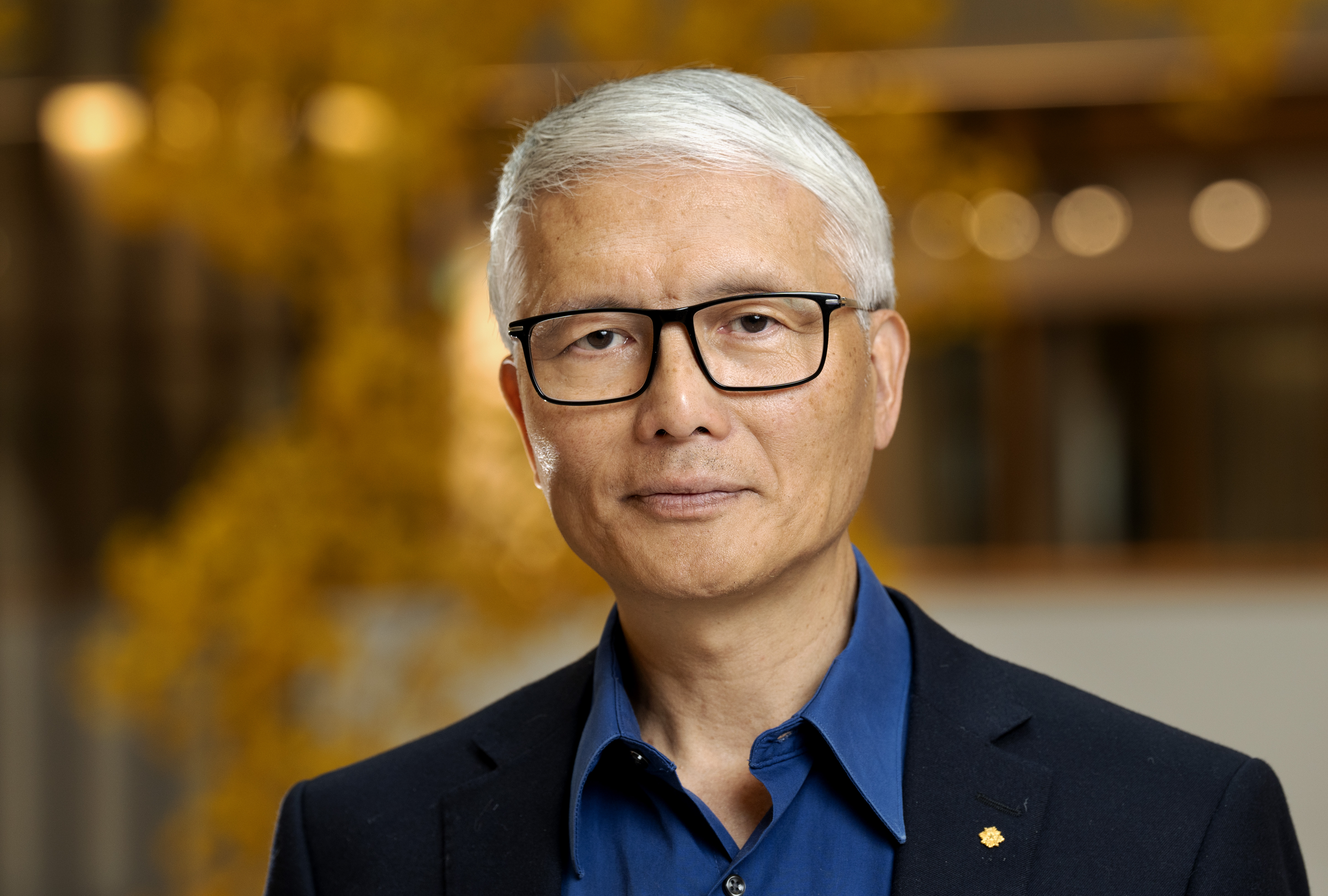
The opening ceremony was moderated by Prof. Guan Dabo, Professor in the Department of Earth System Science and Vice President of the Institute of Carbon Neutrality, Tsinghua University.
Prof. Guan introduced Tsinghua University’s progress in developing a global Earth system model, as well as the exploration and practice of the Global Carbon Neutrality and Energy Intelligence International Science Platform, initiated and led by the Institute of Carbon Neutrality. He emphasized that for developing countries, carbon neutrality should not be simply interpreted as achieving net-zero emissions; it must be advanced in tandem with improving people’s well-being and growing national GDP.
Dr. Feleke Zewge, Chair of the Climate Change Working Group of Ethiopia and Executive Director of the African Center of Excellence in Water Management at Addis Ababa University, suggested drawing on China’s experience in sponge cities, smart water networks, and circular utilization.
Prof. Haddush Goitom, UNESCO Chair in Water Resources Planning and Environmental Engineering and Former Dean of the Faculty of Science and Technology at Mekelle University, elaborated on the potential of South‑South cooperation, artificial intelligence, and emerging technologies to assess climate change impacts and advance sustainable development in Africa.
Dr. Tang Kun, Tenured Associate Professor, Assistant Dean of the Vanke School of Public Health, and Executive Director of the Tsinghua Africa Center, highlighted Tsinghua’s public health projects in Africa and demonstrated how technological empowerment and multi‑stakeholder collaboration can strengthen public health services.
Director General Habtamu Abera of the National Research and Development Directorate at the Ministry of Innovation and Technology of Ethiopia shared Ethiopia’s national science and technology policy and the implementation experience of the Science, Technology and Innovation Strategy for Africa (STISA‑2034).

The speakers, from left to right and top to bottom, were: Guan Dabo, Feleke Zewge, Haddush Goitom, Tang Kun, and Habtamu Abera.
The forum showcased the strong cooperation potential between China and Africa in scientific and technological innovation, climate governance, public health, and other fields. Participants agreed that South‑South cooperation, represented by China‑Africa collaboration, has entered a stage of practical implementation. Going forward, both sides will further expand strategic cooperation in joint education and research programs, industry‑academia‑research collaboration, and other areas.
The forum coincided with the 55th anniversary of the establishment of diplomatic relations between China and Ethiopia. Over the past 55 years, bilateral relations have evolved from “comprehensive cooperative partnership” to “comprehensive strategic cooperative partnership” and then to “all‑weather strategic partnership.” Every leap forward has been rooted in the shared aspirations of both sides, reflecting China’s policy toward Africa featuring sincerity, real results, amity, and good faith, and setting an example for China‑Africa friendship and cooperation.


 Picture News
 Hot News