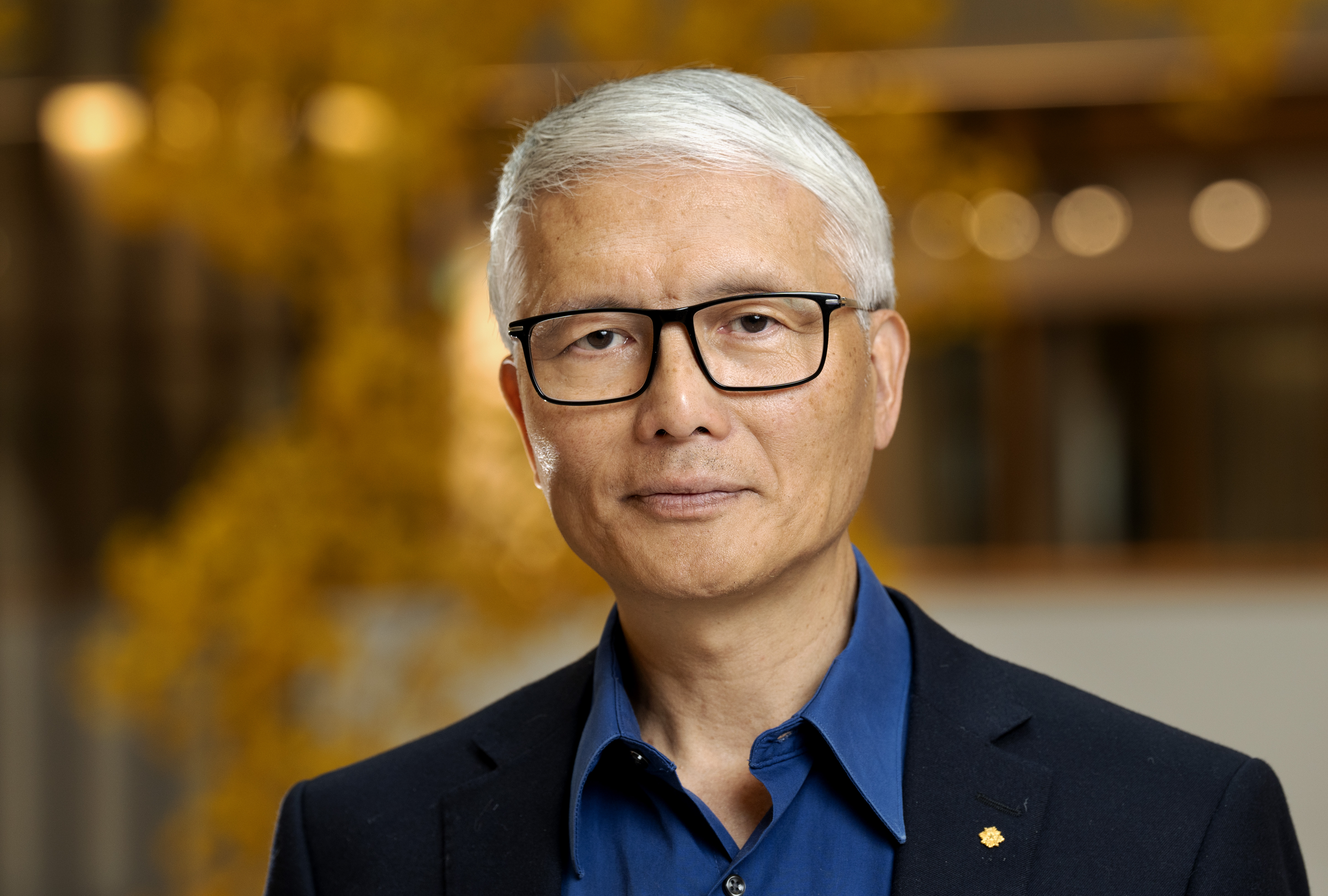
On May 25, a delegation from the Stockholm Resilience Centre (SRC) visited the Department of Earth System Science (DESS), Tsinghua University. The tow sides held an exchange seminar focused on science communication. The event was chaired by Academician Chen Deliang, Distinguished Professor of Tsinghua University and Chair of the Department of Earth System Science.
In his opening remarks, Academician Chen Deliang noted that science communication plays an indispensable role in addressing the global climate crisis. He expressed the hope that both sides could share practical experience, deepen cooperation, and jointly contribute wisdom and efforts to tackle climate change.
Ma Mingwei, International Public Relations Supervisor, and Fang Si, Global Communication Specialist, from the Global Communications Office under Tsinghua University Publicity Department, shared their practices in translating cutting-edge research achievements into global public outreach products via multi-platform collaboration and diversified content creation. Their work aims to continuously elevate Tsinghua’s international reputation and academic influence.
Professor Cai Wenjia from Tsinghua DESS, who also serves as Director of the Lancet Countdown Asia Centre, presented the center’s experience in building a core communication ecosystem centered on "awareness cultivation, attitude adjustment and behavioral change". The center has taken an active part in formulating national strategies on climate change and public health, and adopted differentiated communication strategies for diverse groups. It has launched popular science videos and creative cultural and creative products for the general public to realize cross-boundary communication. Prof. Cai stressed that scientific rigor and factual accuracy form the foundation of science communication, and the center is ready to work with more partners to encourage wider public engagement in climate action through appropriate approaches.
Peng Tianduo, Director of the Energy Transition Research at the Institute of Climate Change and Sustainable Development (ICCSD), and An Najiang, Project Officer of the Global University Alliance on Climate Change, shared their communication practices in high-level policy dialogues and youth empowerment for climate action worldwide.
Marcus Lundstedt, Director of the Stockholm Resilience Centre, introduced the center’s core concepts and practices of science communication. He stated that science communication should be fact-based, well-timed, and deliver socially relevant solutions that inspire action. He also pointed out that communication strategies need to be flexibly tailored to different audiences and scenarios, and adequate investment in time and resources is essential for effective outreach.
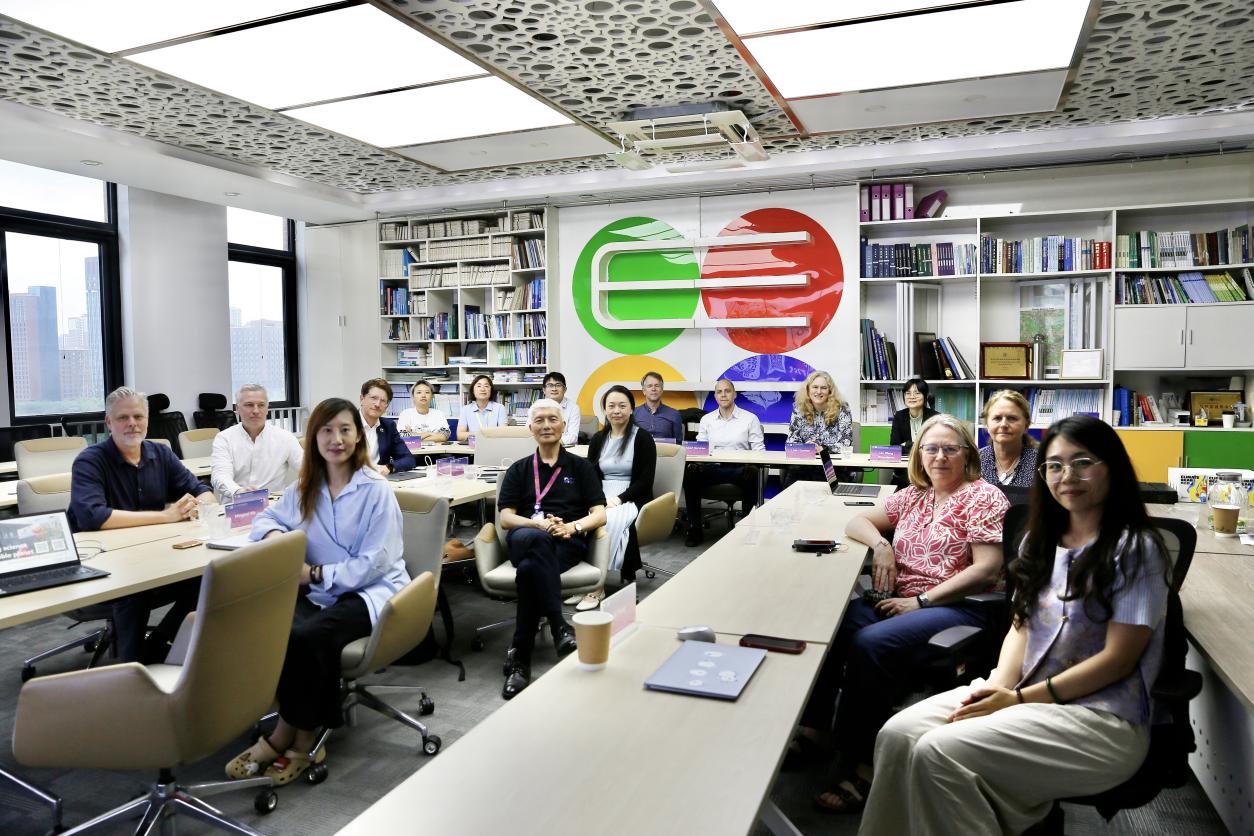
Photo of Participants
Both sides agreed to continue exploring the cross-disciplinary integration of science, art, and culture, with the goal of fostering a collaborative and symbiotic communication ecosystem. Their shared aspiration is to enable science communication to truly resonate with people and, in doing so, drive meaningful action in addressing the climate crisis.
Written and Photographed by Wang Jiayin
Reviewed by Chen Deliang and Yu Le


 Picture News
 Hot News